Horsewood Side Effects and Safety 2026: What the Ingredient Research Actually Shows
Quick answer: are Horsewood side effects something to worry about?
Yes, like any active botanical formula, Horsewood side effects are possible, though in the tongkat ali and ashwagandha research they are usually mild: occasional sleep disturbance, a slightly faster resting heart rate, or restlessness in sensitive users. The bigger safety issue is herb-drug interactions, so clear the actual bottle with your doctor or pharmacist first.
- Most reported effects are mild and settle when the dose drops or the product stops.
- Interactions matter more than side effects — especially with blood pressure, thyroid and blood-thinning medication.
- "No side effects" is a red flag, not a reassurance. Anything active can have a downside.
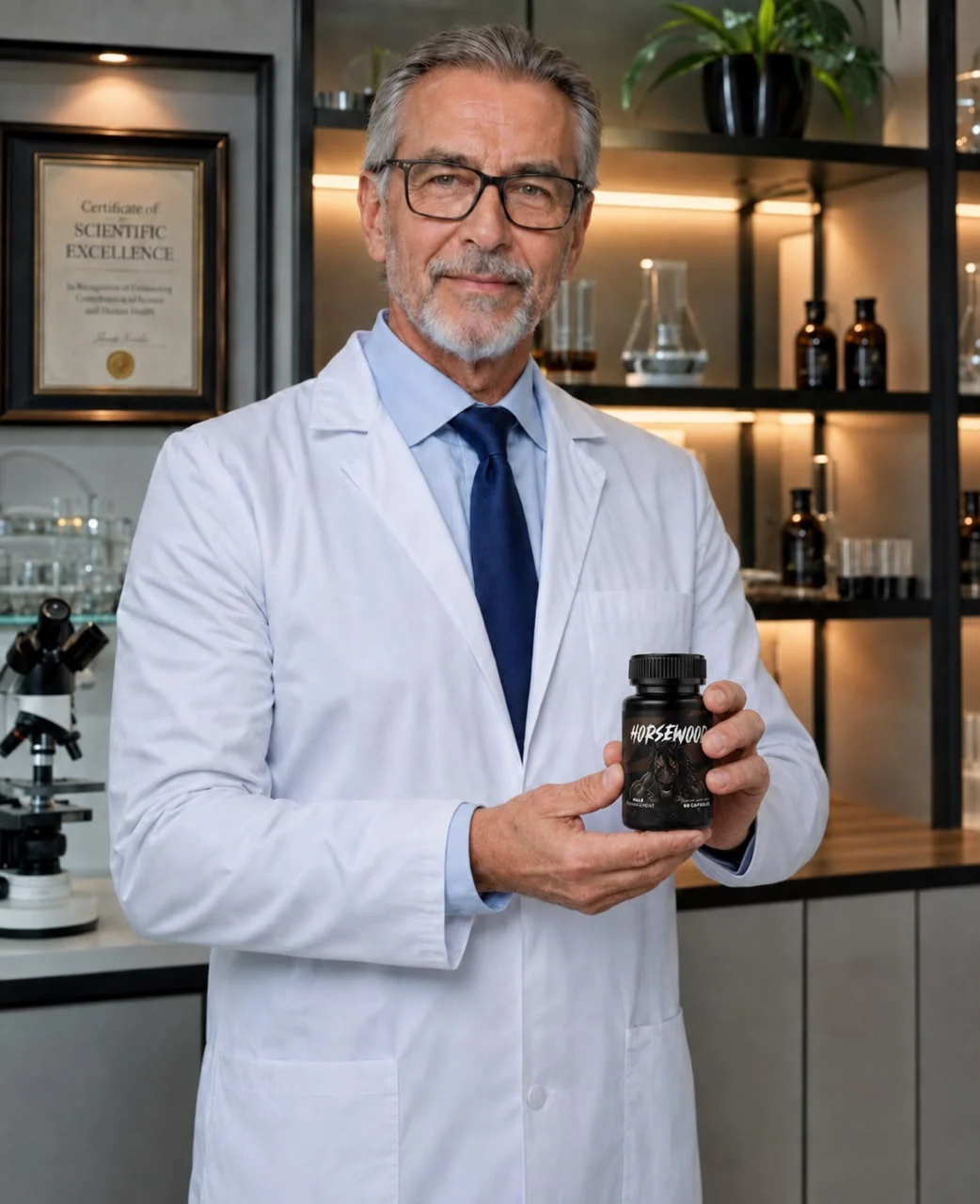
Search "Horsewood side effects" and you will find two kinds of pages: breathless testimonials swearing the capsules are perfectly safe, and scare pieces implying every men's supplement is a hidden hazard. Neither is a review. A review looks at what the ingredients inside the bottle have actually done in human beings, tells you which effects showed up, how often, and in whom, and then draws a sober line under what is known and what is not. That is what this page tries to do.
The honest headline is unglamorous. The botanicals in Horsewood, chiefly tongkat ali and ashwagandha alongside supporting herbs such as fenugreek, maca and tribulus, have a reasonable safety record in short and medium-term trials, and the side effects reported in that research are mostly mild. But "mostly mild in trials" is not the same as "safe for everyone," and the more important safety story is not the side effects at all — it is the way these plants can interact with medication you may already be taking.
What "Horsewood side effects" actually refers to
There is no clinical trial on the finished Horsewood formula, because there almost never is on any multi-ingredient blend. So when we talk about Horsewood side effects, we are really talking about the accumulated safety data on its individual components, tested one at a time, usually at doses at or above what a blended capsule delivers. That is a reasonable proxy, but it comes with a caveat worth stating plainly: combining several active botanicals in one capsule can, in principle, change how any one of them behaves, and nobody has studied that specific combination.
With that framing in place, the useful question is not "is Horsewood safe?" — a question no honest label can answer for every reader — but "what are the known effects of these ingredients, and do any of them apply to me specifically?" The rest of this review is built around that second question.
The ingredient-by-ingredient safety picture
Each botanical in the formula carries its own small file of human safety data. None of these plants is exotic or untested; all of them have been through controlled trials, and the reported adverse events tend to cluster around a short, predictable list. Here is what the research describes for the components that do most of the work.
Tongkat ali (Eurycoma longifolia) is the ingredient most likely to be responsible if you notice anything. In supplementation trials it has been generally well tolerated, but the effects that do come up are stimulation-like: trouble getting to sleep if taken late in the day, a mild increase in resting heart rate, restlessness, irritability or a jittery feeling in people who are sensitive. These are dose-related and tend to fade when the amount is reduced. Our companion piece on what the tongkat ali trials actually measured goes deeper into the research behind that profile.
Ashwagandha (Withania somnifera) pulls in the opposite direction. Its reported effects lean sedative: drowsiness, grogginess, and in some trials mild gastrointestinal upset such as nausea or loose stools, usually at higher doses or on an empty stomach. Rare case reports have linked ashwagandha products to liver injury and to thyroid hormone changes, which is why people with liver or thyroid conditions belong in the "ask first" group rather than the "try it" group.
Fenugreek, maca and tribulus, the supporting cast, are food-adjacent botanicals with generally benign profiles. Fenugreek can cause digestive gas, a maple-syrup smell to sweat or urine, and matters for anyone on diabetes medication because it can nudge blood sugar. Tribulus has a scatter of isolated case reports involving liver and kidney effects that keep it on the caution list even though it is usually uneventful.
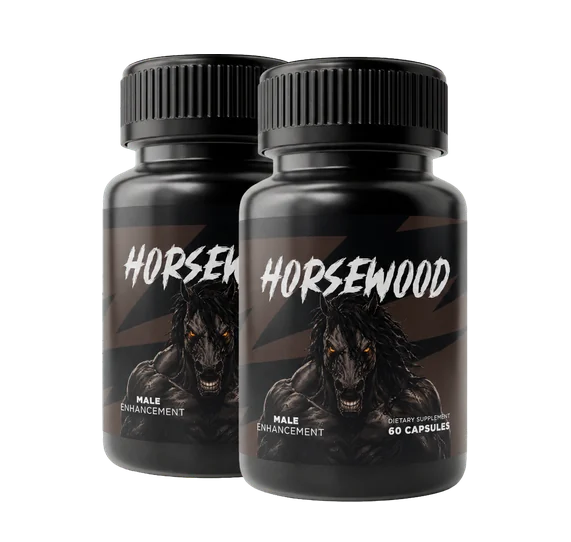
Read the full label before you decide
The most useful safety document is the supplement facts panel itself — the exact ingredients, the per-serving amounts and the standardisations. You can see the current panel, the package options and the 60-day money-back terms on the official store.
View the Official Label & PricingReported side effects at a glance
Grouping the research this way makes the pattern easier to see. The left column is what the trials and case reports describe; the right column is the practical takeaway. Frequencies are approximate because the underlying studies used different doses and populations.
| Ingredient | Most commonly reported effects | Less common but worth knowing | Practical note |
|---|---|---|---|
| Tongkat ali | Sleep disturbance, restlessness, mild heart-rate increase | Irritability, headache in sensitive users | Take earlier in the day; lower the dose if wired |
| Ashwagandha | Drowsiness, stomach upset, loose stools | Rare liver-enzyme changes; possible thyroid hormone shift | Take with food; avoid if you have thyroid or liver disease |
| Fenugreek | Digestive gas, maple-syrup body odour | Lowered blood sugar; allergy in chickpea/peanut-sensitive people | Caution with diabetes medication |
| Maca | Generally well tolerated; occasional bloating | Little serious signal in the literature | Among the gentler ingredients |
| Tribulus | Mild stomach upset | Isolated liver and kidney case reports | Stop and seek advice if you feel unwell |
Read across the table and a theme emerges: the everyday effects are minor and manageable, and the serious signals are rare, specific and mostly relevant to people with a pre-existing condition. That is the correct mental model for this category — not "dangerous," not "risk-free," but "generally mild, with a short list of people who should be careful."

Herb-drug interactions: the part that matters most
If you skim only one section of this review, make it this one. For most healthy adults, the day-to-day side effects above are the whole story. But if you take a daily prescription, the interaction risk is where real harm can hide, and it is invisible on the label.
Blood pressure and heart medication. Anything that can raise heart rate or blood pressure — tongkat ali's stimulation-like profile included — deserves a conversation if you take antihypertensives, nitrates or drugs for a heart rhythm problem. The concern is not that the supplement is potent, but that it pushes in an unpredictable direction on top of a drug that is carefully titrated.
Blood thinners. Several botanicals can affect platelet function or clotting. If you take warfarin, a direct oral anticoagulant, or even daily aspirin, adding herbal actives without medical input is not worth the gamble.
Diabetes medication. Fenugreek can lower blood sugar. Combined with insulin or oral hypoglycaemics, that stacking effect can push you lower than intended, so glucose monitoring and a clinician's input matter.
Thyroid, sedatives and immune drugs. Ashwagandha may alter thyroid hormone levels, can add to the effect of sedatives and sleep aids, and modulates immune activity, which is why it appears on caution lists for people on thyroid replacement, benzodiazepines or immunosuppressants.
The safe move is boring and effective: write down every ingredient and its amount, or simply take the bottle, and ask a pharmacist. Pharmacists do exactly this check for free, and it takes five minutes.
The most dangerous thing about a men's supplement is rarely the supplement. It is the assumption that "natural" and "over-the-counter" mean it cannot possibly interact with the prescription already in your cabinet. It can, and the only person who can rule that out is someone looking at both at once.
Who should not take Horsewood
Being specific here is more protective than a vague "consult your doctor" line, so here is the actual list.
Anyone pregnant or breastfeeding. These botanicals have not been established as safe in pregnancy, and several are traditionally avoided during it. This is a clear no.
Anyone under 18. The research populations are adults, and a developing endocrine system is not a place to experiment with hormone-adjacent herbs.
People with hormone-sensitive, thyroid, autoimmune or liver conditions. The rare-but-real signals around ashwagandha and tribulus land hardest here. Clear it with the clinician who manages the condition.
Anyone on daily prescription medication, particularly for blood pressure, heart rhythm, blood clotting, diabetes or the thyroid, and anyone with surgery scheduled, who should typically stop supplements a couple of weeks beforehand on medical advice.
Why "no side effects" is a warning sign, not a feature
Marketing loves the phrases "100% safe," "zero side effects" and "no known interactions." Treat all three as evidence that the copy was written to sell rather than to inform. The logic is simple: a compound with a real physiological effect is, by definition, capable of an unwanted effect in the wrong person or at the wrong dose. Caffeine has side effects. So does an active botanical blend. A product that genuinely did nothing would be the only one that could honestly promise nothing bad — and that is not a selling point either.
Honest labelling does the opposite of the "no side effects" pitch. It names the possible effects, states who should not take the product, and tells you when to stop. When you are comparing options, treat a frank warnings section as a mark of credibility and treat suspicious silence as a reason to look harder. Our guide to vetting an over-the-counter male formula before buying walks through the other signals — proprietary blends, missing doses, invented certifications — that separate a serious product from a hyped one.
How to start Horsewood safely if you decide to try it
If you have cleared the interaction check and you are not in one of the caution groups, a sensible on-ramp lowers the odds of an unpleasant first week. Start with a single serving rather than doubling up out of impatience. Take it earlier in the day, not at night, so the tongkat ali component is less likely to disturb sleep. Take it with food if your stomach is sensitive, which blunts the gastrointestinal effects associated with ashwagandha and fenugreek. Then hold the dose steady and pay attention for the first fortnight, because that is when tolerance issues, if any, show up.
Consistency and timing also determine whether you get a fair read on the product at all, which is a separate topic from safety; our Horsewood dosage and timing guide covers how to take it for a genuine 8-to-12-week trial. And if anything feels wrong — a racing heart, unusual fatigue, digestive distress that does not settle — the right response is to stop and check in with a clinician, not to push through. Supplements are optional; your safety margin is not.
One more practical point specific to safety: buy from the official store rather than a random marketplace listing. Counterfeit and repackaged supplements are a genuine problem in this category, and an unknown reseller means an unknown supply chain. Buying from the manufacturer's own page is the simplest way to know that what is in the bottle matches what is on the label — which is the foundation any safety review has to stand on.
Related reading
Frequently asked questions
Does Horsewood have side effects?
It can. The botanicals inside Horsewood have their own reported side effects in human research. Tongkat ali is occasionally linked with sleep disturbance, a slightly faster heart rate, restlessness or irritability in sensitive people, and ashwagandha can cause drowsiness or stomach upset. Most reported effects are mild and settle when the dose is lowered or the product is stopped, but individual tolerance varies and no supplement is guaranteed to be side-effect free.
Can I take Horsewood with medication?
That is a decision to make with a doctor or pharmacist, not from a label. Botanical extracts can interact with blood-pressure drugs, blood thinners, diabetes medication, thyroid medication, sedatives and immune-modulating drugs. Bring the actual bottle to the appointment so the ingredient panel can be checked against your prescriptions before you start.
Who should avoid Horsewood?
Anyone who is pregnant or breastfeeding, under 18, or being treated for a hormone-sensitive condition should not take it. People with thyroid disease, autoimmune conditions, diabetes, heart rhythm problems or liver disease, and anyone scheduled for surgery, should clear it with a clinician first. If you take daily prescription medication, treat that as a reason to ask before you buy.
Are 'no side effects' claims trustworthy?
No. A supplement strong enough to have an effect is strong enough to have a downside in some people, so a blanket 'no side effects' or '100% safe' claim is a marketing red flag rather than a reassurance. Honest labelling lists the possible effects and the people who should not take the product. Silence about risk usually means the marketing team wrote the copy, not the safety data.
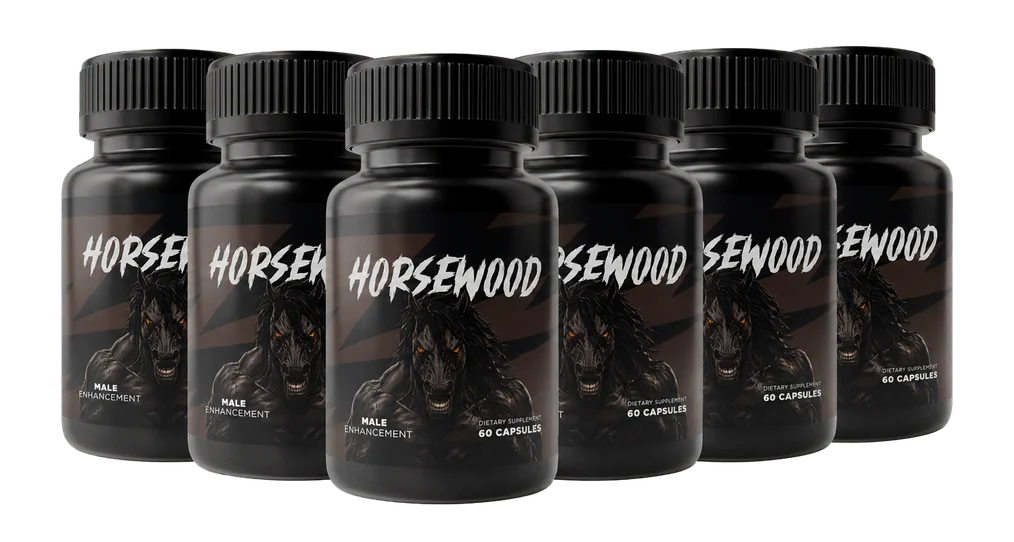
Check the official Horsewood store
The current label, the package options, the bonus guides and the 60-day money-back guarantee are all on the manufacturer's own page — the one place a safety-conscious buyer should start.
Order NowReferences
- PubMed — human safety and tolerability data on Eurycoma longifolia (tongkat ali)
- PubMed — ashwagandha (Withania somnifera) safety and adverse-event reports
- NIH National Center for Complementary and Integrative Health — Ashwagandha
- MedlinePlus — Herbs and Supplements interaction information
- U.S. Food & Drug Administration — Dietary Supplements
This article is general information, not medical advice. It describes published research on individual ingredients and does not claim any effect for any finished product. Speak to a qualified healthcare professional before starting any supplement, particularly if you take prescription medication, have a diagnosed condition, or are pregnant or breastfeeding.