Best Male Enhancement Supplement on the Market? What the Tongkat Ali Trials Measured
Quick answer: what does the tongkat ali research actually show?
Randomised human trials of standardised tongkat ali extract, typically 200–400 mg per day for four to twelve weeks, have reported modest increases in testosterone, lower cortisol and improved mood scores under stress, and better self-reported sexual wellbeing. The effects are consistently small, most trials are small too, and the clearest responses come from men who started with low or borderline testosterone rather than men already in the normal range. It is the best-supported botanical in this category, which is a statement about the category as much as about the plant.
- Studied dose: 200–400 mg daily of a standardised water extract.
- Best documented effects: cortisol and mood under stress; testosterone in men starting low.
- Main weakness: small samples, short durations, and extracts that differ between studies.
What tongkat ali is, and what the extract actually contains
Eurycoma longifolia is a slender understorey tree native to Malaysia, Indonesia and parts of Indochina, known locally as tongkat ali and sold in English as longjack. The part used is the root, which is intensely bitter and has a long history in regional traditional medicine as a tonic.
What matters commercially is the extract. Traditional preparation is a water decoction, and the material used in most clinical trials follows that route: a hot-water extract, often described as a 1:100 concentration, standardised to a stated percentage of eurycomanone. Eurycomanone belongs to a family of bitter compounds called quassinoids, and it functions as the marker used to compare batches.
That detail decides whether a label means anything. "Tongkat ali 200 mg" could describe the extract used in a trial, or milled root powder that has undergone no concentration at all. The two are not interchangeable, and only the panel tells you which one is in your capsule. Alcohol-extracted and mixed-solvent preparations exist as well, with a different constituent profile and much less human data behind them.
What the trials actually measured
The literature is more focused than it looks, because a handful of endpoints recur. Understanding what was measured is more informative than any summary of what it "does".
Hormones. Total and free testosterone measured by blood draw, sometimes with sex hormone-binding globulin and the testosterone-to-cortisol ratio. These are hard endpoints, which is what gives this ingredient its standing.
Stress markers and mood. Salivary or serum cortisol alongside validated mood questionnaires. Trials in moderately stressed adults reported reductions in cortisol and improvements in tension, anger and confusion scores. This is arguably the most interesting part of the record and the part marketing mentions least.
Sexual wellbeing. Self-rated questionnaire instruments covering desire, satisfaction and erectile function. Improvements have been reported, but questionnaire endpoints are subjective and particularly vulnerable to expectation effects, which is why blinding and a placebo arm matter so much here.
Sperm parameters and physical performance. Smaller bodies of work exist on semen quality in subfertile men and on strength or lean mass in older and trained adults. Both are thinner and less consistent than the hormone and stress work.
| Endpoint studied | Typical design | Dose and duration | What trials reported | Evidence strength |
|---|---|---|---|---|
| Total and free testosterone | Randomised, placebo-controlled, small samples | 200–400 mg/day, 4–12 weeks | Modest increases, mainly in men starting low or borderline | Moderate for the category, limited by sample size |
| Cortisol and mood under stress | Randomised, placebo-controlled | Around 200 mg/day, about 4 weeks | Lower cortisol and improved tension, anger and confusion scores | Small but among the more interesting findings |
| Self-reported sexual wellbeing | Randomised and open-label, questionnaire endpoints | 200–300 mg/day, 4–12 weeks | Improved questionnaire scores in several trials | Weak to moderate; subjective endpoint |
| Semen quality in subfertile men | Small controlled and open-label studies | Around 200 mg/day, several months | Improvement in some measures | Small, limited independent replication |
| Strength and lean mass | Small trials in older or trained adults | Around 400 mg/day, a few weeks | Mixed, with null results as well as positive ones | Weak and inconsistent |
| Multi-herb blends containing tongkat ali | Not studied | Not applicable | Nothing — finished blends are not trialled | No evidence |
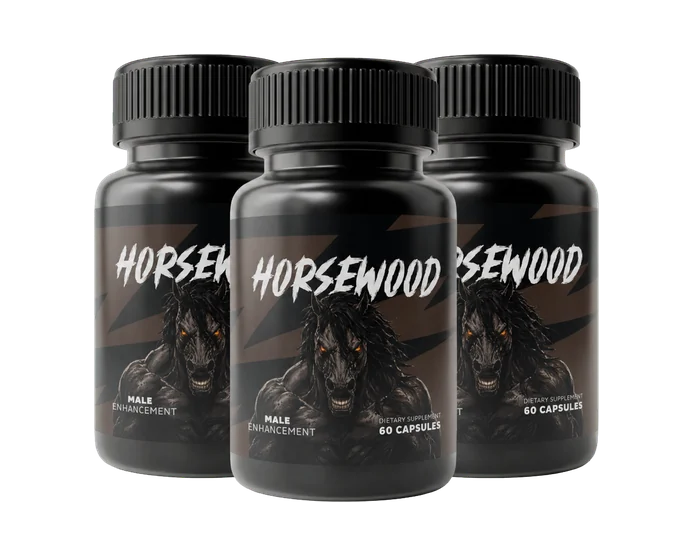
Check how Horsewood lists its extract
Package options, the current Horsewood price and the 60-day money-back terms sit on the official page, along with the panel you need to compare against the doses above.
View Official PricingBest male enhancement supplement on the market: why this ingredient carries the claim
When a product page argues that it is the best male enhancement supplement on the market, tongkat ali is usually doing the heavy lifting in that argument, and there is a reason for it. Compared with the rest of the aisle, tongkat ali has actual randomised, placebo-controlled human trials measuring blood hormones rather than questionnaire scores alone. Most of its shelf-mates have laboratory mechanisms, animal work, or a traditional-use story and nothing more.
That comparative advantage is real, and it is also easy to overstate. The trials are small, often numbering dozens rather than hundreds of participants. Several were funded or conducted by parties with a commercial interest in the extract, which is common in supplement research and still worth knowing. Independent replication by unrelated groups is limited. Publication bias — the tendency for positive results to appear and null ones to sit in a drawer — is impossible to rule out in a field this size.
So the fair statement is comparative, not absolute: tongkat ali has the strongest human evidence among the botanicals commonly used in men's formulas, and that evidence still describes small effects in small trials. Anyone comparing shortlists of the best herbal male enhancement pills should treat the presence of a properly standardised tongkat ali extract as a point in a product's favour, and treat any claim beyond "may support" as running ahead of the data.
Dose, standardisation and the gap between label and trial
Two products can list tongkat ali at the same milligram figure and deliver quite different amounts of the studied compounds. Three things decide it.
Extract or root powder. A 1:100 water extract concentrates the material roughly a hundredfold relative to dried root. If a label simply says "tongkat ali root" with no extract description, assume powder until proven otherwise.
Standardisation percentage. Trial-grade material is usually standardised to a stated eurycomanone content. A label that names a percentage is making a checkable claim. A label that does not is making no claim at all.
Position in the blend. In a formula with six or seven botanicals sharing a two-capsule serving, the space available is finite. If tongkat ali sits inside a proprietary blend total, you cannot confirm it reaches the 200 mg floor used in the research. Our checklist for vetting an over-the-counter formula works through how to read that panel properly.
Who responded in the trials, and who did not
This is the part that decides whether the research applies to you, and it is almost never mentioned on a product page.
The hormone effects cluster in men who started low. Trials recruiting men with below-normal or borderline testosterone report clearer changes than trials in healthy young men with normal levels. That pattern is consistent with a corrective rather than an enhancing effect, and it is the same pattern seen with zinc and vitamin D: fixing a shortfall changes numbers, adding more to an adequate system generally does not.
The stress and mood effects cluster in people under load. The trials showing cortisol reductions recruited moderately stressed adults, not calm ones. If your life is not currently supplying the stress, there may be less to reduce.
Age appears repeatedly as a factor, with older men featuring in several of the more positive trials. And across all of it, the changes reported are modest. This is not a category where careful reading of the literature produces a dramatic expectation.
The most honest way to describe tongkat ali is comparative: it has the best human evidence of any botanical on these labels, and that evidence still consists of small, short trials showing small effects, mostly in men who started with a deficit.
Quality, sourcing and safety
Trial participants generally tolerated standardised extract well over the four to twelve weeks studied, with side effects typically mild and comparable to placebo. Two caveats deserve to be stated plainly.
Sourcing. Analyses of herbal products from parts of Southeast Asia have found heavy-metal contamination in some marketplace samples, and tongkat ali has appeared in that literature. Independent testing of the finished product is the only practical protection, which is one more argument for buying from a manufacturer that can produce a certificate of analysis rather than from an anonymous marketplace listing.
Interactions and conditions. Anything with plausible activity on the hormone axis warrants a conversation with a doctor if you take prescription medication, have a hormone-sensitive condition, or have liver or kidney disease. Long-term safety data in humans does not exist at the scale you would want, because nobody has run a trial long enough to generate it.
What this evidence cannot support
The boundaries matter more than the highlights.
It cannot support a treatment claim. Nothing in this literature shows that tongkat ali treats, cures or prevents erectile dysfunction, hypogonadism or infertility. Those are diagnoses with medical management, and the trials here are not designed to address them.
It does not transfer to a blend. A trial on 200 mg of a standardised extract is evidence about that extract at that dose. Placing the same ingredient in a seven-botanical capsule does not carry the finding across, particularly if the dose falls.
It does not promise anything to a man with normal levels. The response pattern in the trials points at correction, not enhancement.
It says little about the long term. Twelve weeks is the outer edge of most of this research. Anyone planning to take something for years is operating beyond the evidence.
How this applies to a blend like Horsewood
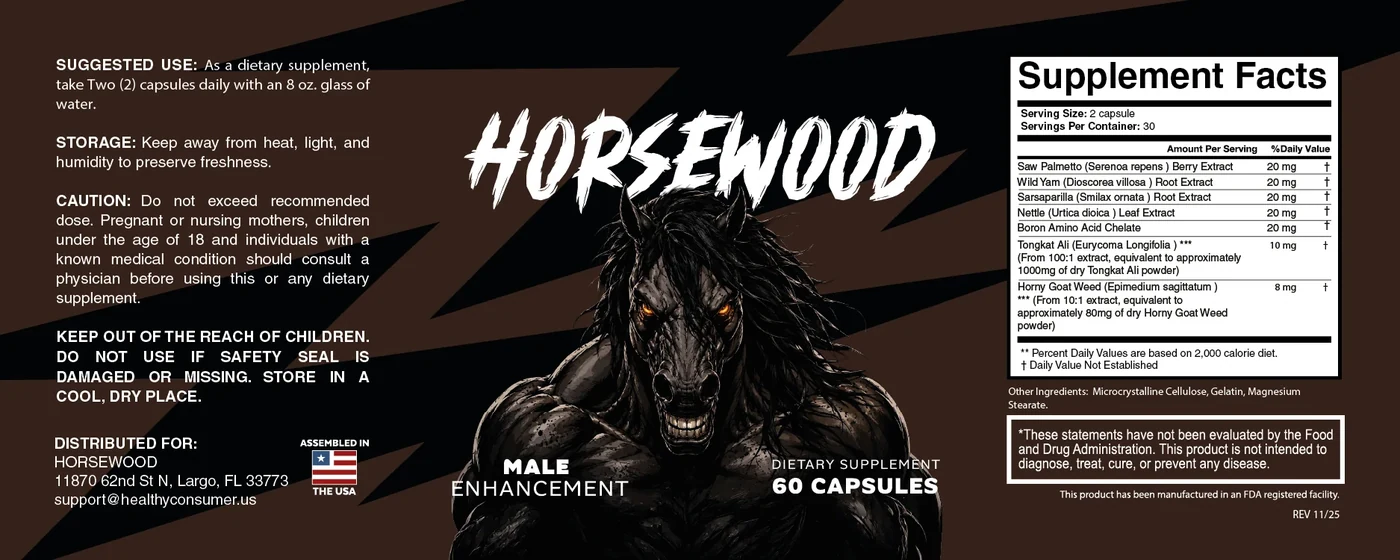
Horsewood is a multi-botanical daily capsule that lists tongkat ali among its ingredients, so the questions above apply directly: which extract, standardised to what, at what per-serving amount, and disclosed or hidden inside a blend total. Our page on what Horsewood contains and how the company positions it sets out the formula, and a longer piece walks through the human evidence behind all seven of its botanicals, including the two whose central claim rests on a chemical conversion the human body does not perform.
The general point holds for every product in the aisle. No product is the best male enhancement supplement on the market in any measurable sense, because no finished blend has ever been tested head to head with another in a trial — so the only comparison available to you is the one printed on the panel. Tongkat ali is the ingredient most likely to be doing something, and it is also the ingredient most likely to be underdosed once six other botanicals need space. That single check — is the standardised extract present at a research-shaped amount, and can you see it on the panel — sorts this shelf faster than any ranking, and it is worth applying before deciding where to buy.
Frequently asked questions
How much tongkat ali did the trials actually use?
Most randomised trials used 200 to 400 milligrams a day of a standardised extract, usually a hot-water extract of the root, taken for four to twelve weeks. Doses outside that range carry much less human data, and plain milled root powder is not the same material as the extract the research was done on.
Does tongkat ali raise testosterone in everyone?
No. Where trials reported increases, they were generally modest and concentrated in men who started with low or borderline testosterone, or who were under sustained stress. Trials in men already comfortably in the normal range have shown much less, and some have shown nothing measurable at all.
What is eurycomanone and why does it appear on labels?
Eurycomanone is the marker compound used to standardise tongkat ali extracts, so a label stating a percentage of it is telling you how concentrated that extract is. Without a stated percentage or extract ratio, two products showing the same milligram figure can contain very different amounts of the compounds studied in the trials.
Is tongkat ali safe to take long term?
The published trials were short, mostly four to twelve weeks, so long-term safety in humans is not well characterised. Participants generally tolerated it in those trials, but sourcing matters, because analyses of marketplace herbal products from the region have found heavy-metal contamination in some samples. Anyone taking prescription medication, or with a liver, kidney or hormone-sensitive condition, should ask a doctor first.
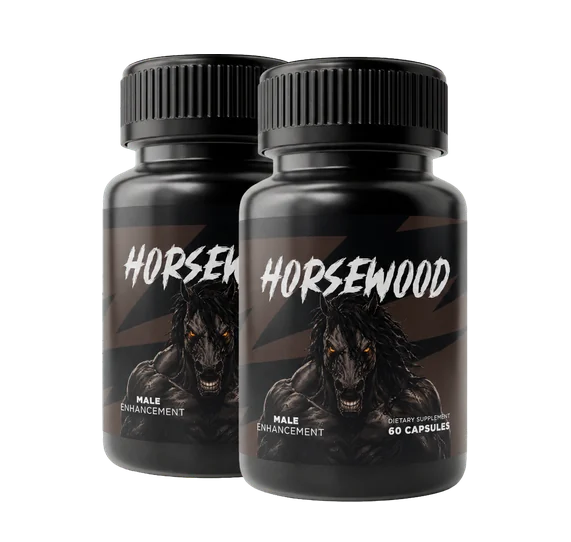
Check the official store
Package options, the bonus guides and the 60-day money-back guarantee, listed on the manufacturer's own page.
Order NowReferences
- PubMed — randomised controlled trials of Eurycoma longifolia
- PubMed — published work on tongkat ali, cortisol and mood under stress
- NCCIH (NIH) — How to find reliable information about herbal approaches
- Mayo Clinic — Drugs and supplements reference
- Harvard T.H. Chan School of Public Health — What should you eat?
This article is general information, not medical advice. It describes published research on a single ingredient and does not claim any effect for any finished product. Speak to a qualified healthcare professional before starting any supplement, particularly if you take prescription medication or have a diagnosed condition.