Best Male Enhancement Supplement Over the Counter: How to Vet One Before You Buy
Quick answer: how do you judge an over-the-counter men's formula?
Judge it on the Supplement Facts panel, not the sales page. A product worth your money states the amount of every ingredient separately rather than hiding them in a proprietary blend, names the plant part and the extract standardisation, carries third-party testing, and comes from a company with a verifiable address and a stated refund window. Everything else — the hero imagery, the countdown timer, the language about being clinically proven — is decoration.
- Deal-breaker: a proprietary blend that hides per-ingredient amounts.
- Safety first: anything promising drug-like speed may be spiked with an undeclared prescription drug.
- Before you buy: find the refund window, the seller's address, and whether autoship is switched on by default.
What "over the counter" actually means for a supplement
The phrase borrows credibility from the pharmacy shelf, where "over the counter" means a medicine that has been assessed by a regulator and cleared for sale without a prescription. Dietary supplements do not work that way. In the United States they sit under a framework that lets a manufacturer bring a product to market without pre-market approval, provided it does not claim to diagnose, treat, cure or prevent a disease. Responsibility for safety and for the truth of the claims rests with the company selling it.
That framework is not a scandal in itself. It is simply a different deal from the one shoppers assume they are getting. It means nobody checked the dose before the bottle went on sale, nobody verified the ingredient identity, and nobody confirmed that the capsule contains what the panel says. Enforcement is real but it is reactive, arriving after a problem surfaces.
The practical consequence: the burden of assessment falls on you. That is not as bleak as it sounds, because most of the useful signal is printed on the bottle. In practice, the best male enhancement supplement over the counter is simply whichever one survives your own inspection of that panel, and the rest of this piece is a method for carrying it out.
Step one: read the Supplement Facts panel before the sales copy
Turn the bottle around, or find the panel image on the product page. If a page selling one of the best male enhancement pills does not show its panel anywhere, that omission is itself the answer.
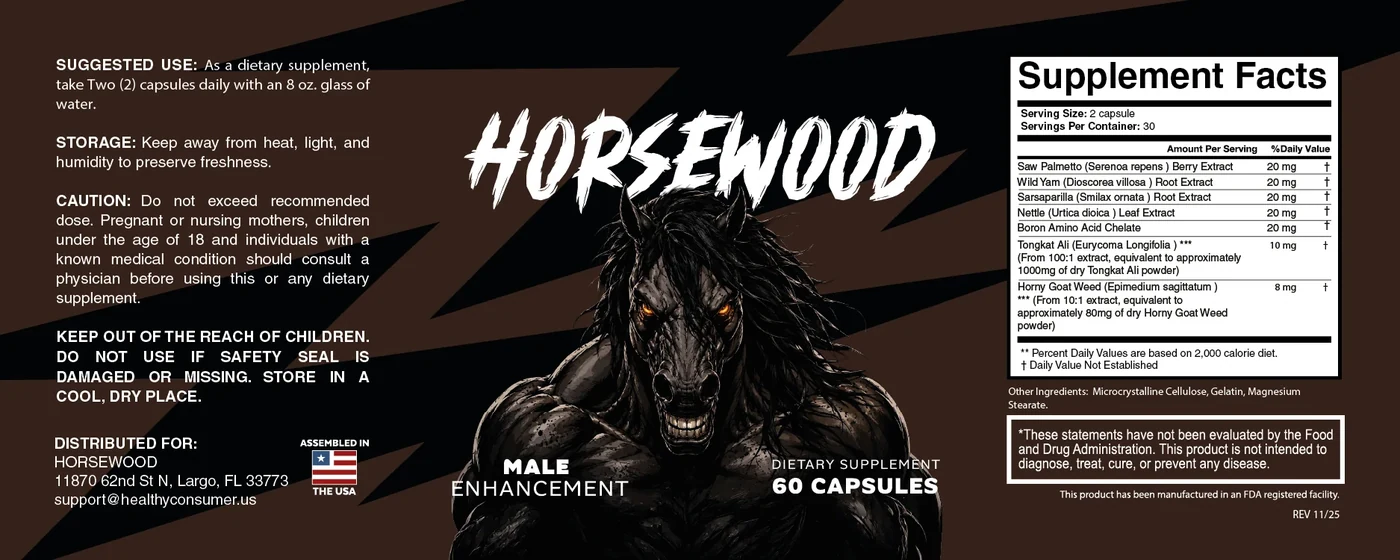
Look for per-ingredient amounts. Each ingredient should carry its own milligram figure. If several sit under a bracket labelled "proprietary blend" with a single combined weight, you cannot verify a single dose claim on the page. A 1,200 mg blend of seven botanicals might be 900 mg of the cheapest one and a dusting of the rest. That is legal, common, and unknowable from outside.
Check the plant part. Nettle root and nettle leaf are different materials with different research. So are saw palmetto berry and saw palmetto leaf. A label that just says "nettle" is either careless or deliberately vague.
Check the standardisation. A botanical extract is only comparable to a trial if it is standardised the same way. Trial-grade tongkat ali is usually a hot-water extract with a stated eurycomanone percentage; trial-grade saw palmetto is a lipidosterolic extract. "Tongkat ali 200 mg" with no further detail could be milled root powder, which is not the same material at all.
Check the serving size against the capsule count. A bottle of 60 capsules with a two-capsule serving lasts 30 days, not 60. This is the single most common misreading in the category and it changes the real cost per day by a factor of two.
Step two: compare doses with the research, not the marketing
Once you can see the amounts, the next question is whether they resemble what was actually studied. This is where most formulas quietly fall apart, because the studied doses of the most credible ingredients are physically large.
| Ingredient | Usually sold for | Dose used in human studies | Fits in a 2-capsule daily serving? | What to check on the panel |
|---|---|---|---|---|
| L-citrulline | Blood flow, nitric oxide | About 3–6 g per day | No — not remotely | If it is listed in milligrams, it is decorative |
| Maca root | Desire | 1.5–3 g per day of dried root | Only as a stated concentrated extract | Extract ratio, and whether it is gelatinised |
| Tongkat ali | Testosterone, stress, libido | 200–400 mg standardised extract | Yes | Water extract, eurycomanone percentage |
| Saw palmetto | Prostate and urinary symptoms | 320 mg lipidosterolic extract | Yes | Extract type, and note the largest trials were negative |
| Boron | Free testosterone, SHBG | Around 6–10 mg per day | Yes, easily | Elemental amount, not the weight of the salt |
| Zinc | Hormone support if deficient | Adult requirement around 11 mg per day | Yes, easily | Total daily intake across all your supplements |
Two conclusions fall out of that table. First, any formula leaning on amino acids or maca for its story has a physics problem it cannot solve with capsules. Second, the ingredients that genuinely fit — boron, zinc, a standardised tongkat ali extract — are the ones worth checking carefully, because for those the dose claim can actually be honoured.
Run the checklist on Horsewood yourself
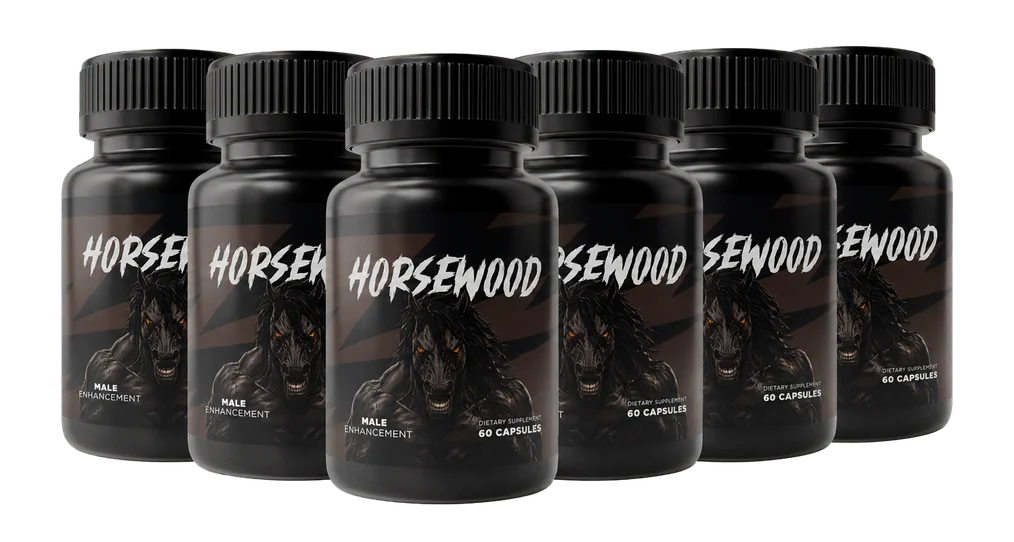
The official store lists the panel, the package options, the current Horsewood price and the 60-day money-back terms in one place — which is exactly what this checklist asks you to find.
See Official PricingBest male enhancement supplement over the counter: the eight-point checklist
Print this, or keep it open in a tab while you compare. A product that clears all eight is not guaranteed to do anything for you, but it is at least honest about what it is.
- Per-ingredient amounts disclosed. No proprietary blend hiding the split.
- Plant part and extract type named. Root or leaf, berry or aerial part, water or ethanol extract.
- Standardisation stated. A marker compound with a percentage, not just a plant name.
- Doses in the neighbourhood of the research. Check the two or three ingredients the page leans on hardest.
- Third-party testing. An independent certification mark, or a certificate of analysis you can actually request.
- A real company behind it. Physical address, working contact route, named manufacturer.
- Claims that stay legal. Support and may help, not cure, treat or reverse. Disease claims signal a seller who will say anything.
- Refund terms in writing. Window length, who pays return shipping, whether opened bottles qualify, and whether a subscription starts automatically.
The safety story nobody puts in the ad: undeclared prescription drugs
This is the part of the category that genuinely matters, and it gets far less attention than ingredient debates. Regulators have repeatedly found products marketed as all-natural sexual enhancers that contain undeclared sildenafil, tadalafil or close chemical analogues of them. They are not supplements at that point; they are unlicensed medicines in a supplement wrapper, at unknown doses, with no pharmacist involved.
The danger is specific and serious. Those drug classes interact severely with nitrates prescribed for angina, and can interact with alpha-blockers and some blood pressure medications. A man who takes a nitrate and swallows a "herbal" capsule that secretly contains a PDE5 inhibitor has no idea he has combined them. Regulators maintain public lists of products found to be tainted this way, and the list keeps growing.
The pattern to distrust is consistent: single-serving sachets sold at petrol stations and convenience stores, unbranded marketplace listings with no company behind them, claims of an effect within thirty minutes, and packaging that promises drug-like results while insisting the contents are natural. Botanical ingredients do not work in thirty minutes. If something feels pharmaceutical, the most likely explanation is that it is.
A capsule that acts like a drug within an hour is not a well-formulated botanical. It is a drug, and nobody told you which one or how much.
Third-party testing, manufacturing and what the seals actually mean
Independent verification is the closest thing this market has to a quality floor, and only a minority of products bother with it. The names worth recognising are certification programmes that test finished products for identity, potency and contaminants — and, in the sport-focused programmes, for banned substances. A mark from one of those is meaningful. A generic gold sticker designed in-house that says "lab tested" is not.
Manufacturing standards are a separate question. Good manufacturing practice requirements govern how a facility operates, and a manufacturer stating that it produces in a compliant facility is stating a legal baseline rather than an achievement. Useful, but not a differentiator.
The pragmatic test is whether you can obtain a certificate of analysis for the batch in your hand. Ask. A company that answers with a document is behaving like a manufacturer; a company that answers with a discount code is behaving like a marketer.
The commercial terms are part of the product
Ingredient quality is only half of what you are buying. The other half is how the transaction behaves after you click.
Where you buy changes what you get. Marketplace listings for direct-to-consumer supplements are a known route for counterfeit and expired stock, and a refund guarantee written by the manufacturer usually applies only to purchases made through the official store. If you are working out the best place to buy male enhancement pills, the official seller is generally the only channel where the guarantee, the batch provenance and the customer-service route all hold together.
Read the subscription mechanics. Check whether a recurring order is pre-selected, how it is cancelled, and how much notice is required. This is where most complaints in the category originate, not with the capsules.
Understand the refund window. A 60-day guarantee is only useful if your trial finishes inside it. Since meaningful trials in this field run eight to twelve weeks, start the moment the bottles arrive and diarise the deadline.
Do the per-day arithmetic. Compare cost per daily serving rather than cost per bottle, and remember the serving-size trap above. A larger bottle at a lower headline figure can still be worse value once you divide correctly.
What a checklist cannot tell you
Being clear about the limits keeps this useful rather than reassuring.
It cannot tell you the product will work. Passing every point above means a formula is transparent and plausibly dosed. It does not mean the finished blend has been trialled, because essentially none of them have.
It cannot substitute for a diagnosis. Persistent erectile difficulty, a sharp drop in desire, fatigue with low mood, or symptoms of low testosterone are things a doctor should assess. Erectile difficulty in particular can be an early sign of cardiovascular or metabolic disease, and a supplement decision is not the decision that matters in that case.
It cannot predict how you respond. Baseline hormone status, sleep, medication, alcohol and stress all shape the outcome more than the ingredient list does.
It cannot verify the contents of the capsule. Only laboratory testing does that, which is exactly why third-party certification carries the weight it does.
Running the checklist on Horsewood
The same eight points apply to the product this site covers, and we would rather you applied them than took our word for anything. The place to start is the panel and the claims: our page on what Horsewood is and what the company says it does sets out the formula and the guarantee terms, and a companion piece works through what the tongkat ali trials actually measured, since that ingredient carries more of the evidence load than any other botanical in this category.
Anyone shortlisting the best natural male enhancement pills should be running the same eight checks across every candidate. There is no official register of the best male enhancement supplement over the counter to consult; there is only a panel, a company and a set of terms, and those three things are visible before you spend anything. The point of a checklist is that it is indifferent to branding — apply it to the product you already like and it becomes genuinely useful.
Frequently asked questions
Are over-the-counter male supplements approved by the FDA?
No. Dietary supplements are not approved before they go on sale. The manufacturer carries responsibility for safety and for the accuracy of its own claims, and regulators generally act only after a product is already being sold. Any approval language on a supplement page is a marketing choice, not a regulatory status.
What is a proprietary blend and why does it matter?
A proprietary blend lists several ingredients under one combined weight instead of stating each amount separately. It is legal, and it means you cannot tell whether the ingredient you care about is present at a studied dose or at a token sprinkle. If a panel shows one number covering six ingredients, treat every dose claim on that page as unverifiable.
How do I know an over-the-counter product has not been spiked with a prescription drug?
You usually cannot tell by looking, which is the whole problem. The pattern to distrust is a product promising drug-like speed while calling itself all natural, often sold as single-serving sachets at petrol stations or by unbranded online sellers. Regulators publish lists of products found to contain undeclared sildenafil or tadalafil analogues. Buying from a company with a verifiable address, third-party testing and a real refund policy lowers the odds considerably.
How long should I give a supplement before deciding whether it did anything?
Most human trials in this field run eight to twelve weeks, so anything shorter is not a fair test. Choose two or three specific things to track, write them down before the first capsule, and change nothing else at the same time. If the guarantee window is 60 days, plan the trial so it finishes inside that window.
Check the panel and the terms yourself
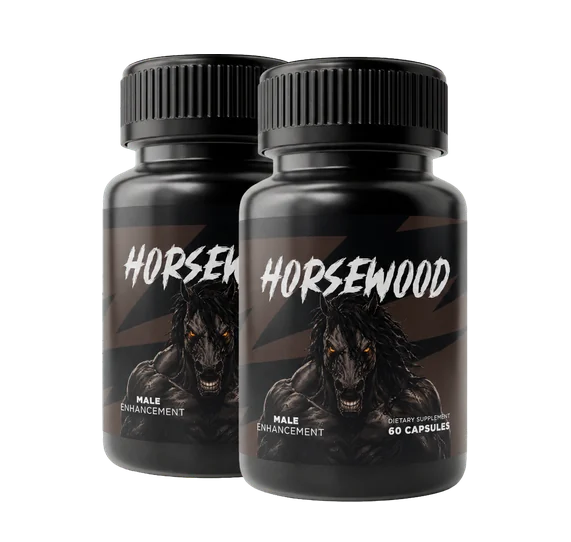
Package options, bonuses and the 60-day money-back guarantee are listed on the manufacturer's own page.
Order NowReferences
- NIH Office of Dietary Supplements — What you need to know about dietary supplements
- NCCIH (NIH) — Dietary and herbal supplements
- PubMed — published analyses of adulterated sexual enhancement products
- Mayo Clinic — Testosterone therapy: potential benefits and risks as you age
- Harvard T.H. Chan School of Public Health — Vitamins and minerals
This article is general information, not medical advice. It describes labelling practice and published research and does not claim any effect for any finished product. Speak to a qualified healthcare professional before starting any supplement, particularly if you take prescription medication or have a diagnosed condition.