Does Horsewood Work? A Look at the Evidence
Quick answer: does Horsewood work?
Does Horsewood work? Honestly, it depends on you, and any effect is gradual rather than instant. Horsewood is built on the two ingredients with the strongest human evidence in this category, tongkat ali and ashwagandha, both of which reported real but modest improvements in trials, concentrated in men who started with low testosterone or high stress. It is a background support product, not a fast stimulant, so a fair judgement takes weeks to about three months of daily use. The ingredients have evidence; an individual result is never guaranteed.
- Best-supported effects: self-rated sexual wellbeing, stress and mood.
- Who responds most: men starting with low hormones or high stress.
- Timeline: weeks to ~3 months of consistent daily use, not overnight.
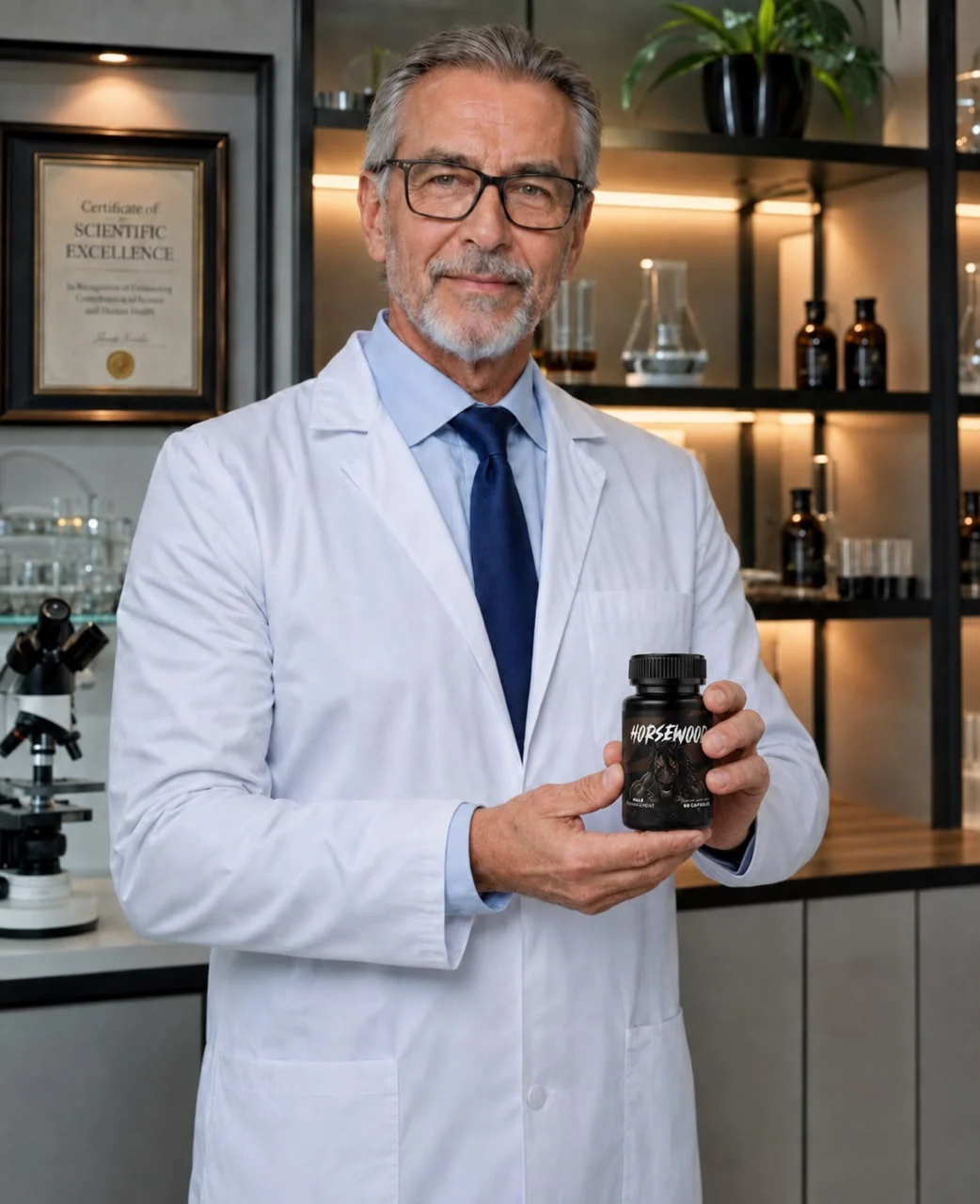
"Does Horsewood work?" is the question everyone actually wants answered, and it deserves a straight reply rather than a slogan. The straight reply is that the phrase "does it work" hides two very different questions. One is whether the ingredients inside it have genuine human evidence, which is a factual question with a reasonably good answer. The other is whether it will work for you, specifically, which no honest source can promise about any supplement, because results in these trials were individual and modest. This article separates the two and gives you what the research says on each.
We will do it the useful way, ingredient by ingredient, because a blend does not work or fail as a lump. It works to the extent that its individual actives are present at the doses that did something in a study. So the real question underneath "does Horsewood work" is: which of its ingredients have evidence, what did that evidence show, and is each one dosed to match. Let us go through it.
Does Horsewood work? Start with the two strongest ingredients
Two ingredients carry most of the weight of the answer, because they have the best human research behind them.
Tongkat ali (Eurycoma longifolia)
Tongkat ali is the most-studied botanical in the whole men's category, and its headline result is genuinely interesting. In a one-month study of men with low testosterone, a standardised extract at around 200 mg a day normalised testosterone in roughly 90 percent of participants. Other randomised trials, generally at 200 to 400 mg a day for four to twelve weeks, reported reduced cortisol, better mood under stress, and improved self-rated sexual wellbeing. This is real, blood-hormone evidence, not just questionnaire data, which is what gives the ingredient its standing.
The honest footnotes matter as much as the headline. The trials were small and short. The clearest hormone effects appeared in men who started low, which points to correction rather than enhancement. And "tongkat ali" on a label means nothing unless it is a standardised extract at a studied dose, because milled root powder is a different material. For the full endpoint-by-endpoint account, our breakdown of what the tongkat ali trials actually measured is the deeper read.
Ashwagandha
Ashwagandha is the other pillar, and its evidence leans toward stress, mood and libido. In one randomised trial, a standardised extract at 300 mg twice daily raised self-reported sexual-desire scores by about 61.9 percent versus placebo. Separate trials have linked ashwagandha to lower cortisol and modest testosterone increases in stressed or overweight men. Because so much male-vitality trouble is downstream of stress and poor sleep, an ingredient that reliably lowers a stress marker is doing something plausibly relevant rather than cosmetic.
Again the caveats are real: the sexual-desire figure comes from self-report, which is subjective and expectation-sensitive; the testosterone effects are modest and clustered in men under load; and the benefit depends on getting a properly standardised extract at a studied dose. But of all the ingredients on these labels, ashwagandha and tongkat ali are the two you would most want to see present and properly dosed.

What the rest of the formula adds
Beyond the two headliners, male formulas typically include supporting nutrients and botanicals whose evidence is thinner or more specific. Zinc is a genuine building block: it is required for normal testosterone production, so correcting a zinc shortfall can matter, but topping up someone who is already replete generally does little. Fenugreek has some trials suggesting effects on libido and, less consistently, on hormones. Maca has reasonable evidence for self-reported sexual desire that appears to operate without changing testosterone at all, and tribulus is popular but its central testosterone claim rests largely on a chemical conversion the human body does not reliably perform. We cover the last two in detail in our evidence review of Horsewood's ingredients.
The pattern across the supporting cast is consistent: a few have solid but narrow evidence, a couple are riding reputation more than data, and all of them depend entirely on being dosed at studied amounts rather than sprinkled in for label appeal. That is why "does Horsewood work" cannot be answered from the ingredient list alone. It is answered from the panel, where the doses live.
| Ingredient | Studied dose | What trials reported | Evidence strength |
|---|---|---|---|
| Tongkat ali | ~200–400 mg/day standardised extract | Normalised testosterone in ~90% of low-T men (1-month study); lower cortisol; better mood | Strongest in the category, but small trials |
| Ashwagandha | ~300 mg twice daily standardised extract | Sexual-desire scores up ~61.9%; lower cortisol; modest T rise in stressed men | Good for stress and libido; subjective endpoints |
| Zinc | Within recommended daily range | Supports normal testosterone production when correcting a shortfall | Solid for deficiency, little beyond it |
| Fenugreek | Trial-dependent | Some libido benefit; hormone effects inconsistent | Mixed |
| Maca | Around 1.5–3 g/day in trials | Improved self-reported desire without raising testosterone | Moderate for desire, subjective |
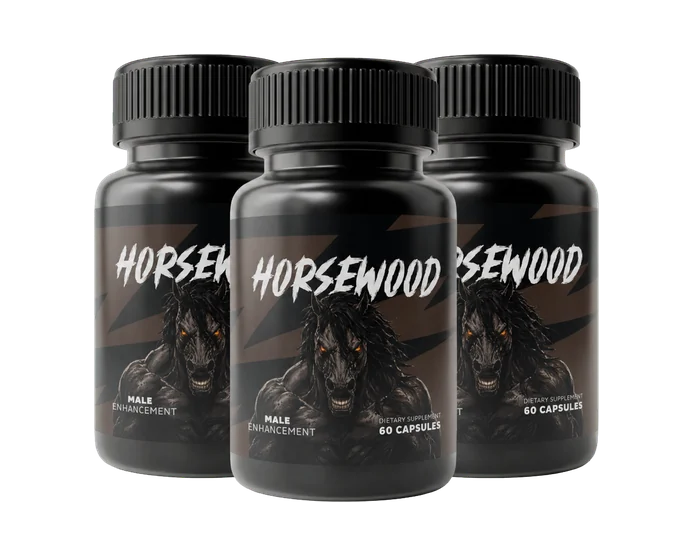
Check the doses for yourself
The Supplement Facts panel decides whether the evidence above applies. See Horsewood's full label, package options and 60-day money-back terms on the official page.
View Official PricingHow soon does Horsewood work, and for whom?
Two things decide whether the evidence translates into something you feel: time and starting point.
Time. These ingredients accumulate rather than switch on. The trials ran four to twelve weeks, and the fuller effect often took closer to three months. That means the first few days tell you almost nothing. The sensible approach is daily, consistent use across a fair window, and judging the product on how you feel at the end of it, not at the start. Our dedicated walkthrough of how long Horsewood takes to work gives the week-by-week view if you want to map out a fair trial in advance.
Starting point. The hormone effects clustered in men who began with low or borderline testosterone, and the stress effects clustered in people under real stress. This is the single most important thing the marketing tends to omit. If you start with a genuine deficit, whether in hormones, sleep or stress load, you have more room to move and are more likely to notice something. If you are already well-rested, low-stress and hormonally normal, the honest expectation is a smaller change, particularly on the hormone side.
The evidence supports the ingredients. It does not promise the individual. Those are different sentences, and any source that merges them into "guaranteed results" has left the evidence behind.
The honest limits: what "it works" cannot mean here
Where the evidence stops
Being fair about the ceiling is what makes the floor trustworthy.
It is not a treatment. Nothing here shows that Horsewood treats, cures or prevents erectile dysfunction, low testosterone as a medical diagnosis, or infertility. Those are conditions with medical management, and a supplement is not a substitute for seeing a doctor about them.
Single-ingredient trials do not transfer whole to a blend. A study on 200 mg of a standardised tongkat ali extract is evidence about that extract at that dose. It carries over to a blend only if the blend delivers the same ingredient at the same amount, which is why the panel is everything.
The trials are small and short. Dozens of participants over a few weeks is the norm, not thousands over years. That is enough to be suggestive, not enough to be certain, and long-term human data barely exists.
Results are individual. Modest average effects mean some people notice a clear change and others notice little. The 60-day money-back guarantee exists precisely because that variation is real.
So, does Horsewood work? The fair verdict
Here is the answer assembled from all of the above. Horsewood is built on the ingredients most likely to do something in this category, and two of them, tongkat ali and ashwagandha, have genuine randomised human evidence for the outcomes men actually care about: hormones under a deficit, stress, mood and self-reported sexual wellbeing. That is a real foundation, and it is more than most of the aisle can claim. Whether it produces a change you personally notice depends on your starting point, your consistency over a couple of months, and whether the label delivers those ingredients at studied doses, which you should verify before buying. The evidence is a reason for informed optimism, backed by a guarantee that limits your risk if you turn out to be one of the people it does less for. That is the honest verdict, and it is a better basis for a decision than any promise of a miracle.
Frequently asked questions
Does Horsewood actually work for libido and energy?
The honest answer is that it depends on you, and the effect is gradual rather than dramatic. Horsewood is built on ingredients with real human evidence, especially tongkat ali and ashwagandha, that reported improvements in self-rated sexual wellbeing and in stress and mood. Those effects were modest, individual, and clearest in men who started with low hormones or high stress. It is a support product working in the background, not a fast-acting stimulant, so results show up over weeks, not the same day.
What evidence supports Horsewood's ingredients?
The strongest support comes from randomised human trials of two ingredients. Tongkat ali at around 200 milligrams a day of a standardised extract normalised testosterone in roughly 90 percent of men in a one-month study of people who started with low levels. Ashwagandha at 300 milligrams twice daily raised self-reported sexual-desire scores by about 61.9 percent in one trial. Other ingredients have thinner or more mixed evidence, and results depend on the dose actually delivered on the label.
How soon might I notice a difference?
Botanical support ingredients build up rather than switch on, so most trials ran for four to twelve weeks and the fuller picture often took up to about three months. A realistic expectation is to take it consistently every day and judge how you feel over that window, not over the first few days. If nothing has shifted by the end of a fair trial period, the 60-day money-back guarantee exists for exactly that situation.
Will Horsewood work if my testosterone is already normal?
Probably less, and that is what the research would predict. The clearest hormone changes in the trials appeared in men who started low or borderline, which is consistent with a corrective effect rather than an enhancing one, much like fixing a nutrient shortfall. If your testosterone is already comfortably in the normal range, you may notice less on the hormone side, though the stress and mood effects seen with ashwagandha are not limited to men with low testosterone.
Try it with the risk capped
Package options, the bonus guides and the 60-day money-back guarantee are on the manufacturer's own page, so a fair trial costs you only your consistency.
Order NowReferences
This article is general information, not medical advice. It describes published research on individual ingredients and does not claim any effect for any finished product. Speak to a qualified healthcare professional before starting any supplement, particularly if you take prescription medication or have a diagnosed condition.