How Long Horsewood Takes to Work: A Realistic Timeline
How long before Horsewood starts working?
Most people should give Horsewood a full 90 days. Its adaptogens, such as ashwagandha and maca, usually need two to eight weeks of daily use, while testosterone-support herbs are often re-checked at eight to twelve weeks. Early shifts in energy or sleep can appear first, but a fair judgement waits until around three months.
- Weeks 2–4: earliest subtle changes, often energy, mood or sleep.
- Weeks 8–12: the window where hormone-support herbs are re-assessed.
- Around day 90: the honest point to judge whether it works for you.

How long Horsewood takes to work is the question that quietly decides whether anyone gets a fair result from it, because the honest answer runs against every instinct a new buyer has. We are trained by fast-acting medicines to expect a change we can feel in hours or days. Botanical formulas built on adaptogens and testosterone-support herbs do not behave that way. They work cumulatively, over weeks, and the most meaningful changes tend to sit at the far end of a three-month window rather than the near end. Understanding that timeline up front is the difference between judging the product fairly and abandoning it before it has had a chance to do anything.
This is a realistic, week-by-week map of what to expect, and why. It is not a promise — individual responses vary, and effects in this whole category are generally modest — but it will tell you when to look for early signals, when the important window opens, and when it is genuinely fair to reach a verdict. The short version: plan for 90 days, not 90 minutes.
Why Horsewood works on a timeline of weeks, not hours
The onset is slow because of what is in the bottle. The two ingredient families doing most of the work — adaptogens and testosterone-support botanicals — both act by nudging systems that themselves move slowly.
Adaptogens such as ashwagandha and maca are studied over stretches of two to eight weeks, and often longer, because their proposed effect is on stress physiology and cumulative resilience rather than an immediate jolt. You do not feel an adaptogen the way you feel caffeine; you notice, after a few weeks, that the edges of a stressful week feel slightly less sharp. That is a change you detect in hindsight, not in the moment.
Testosterone-support herbs move slower still. In research they are typically re-measured at eight to twelve weeks, because the hormone axis they aim to support does not shift on a shorter clock. The compounds most likely to be doing something in this category, such as standardised tongkat ali, were measured in trials running four to twelve weeks — and even then the changes were modest and clearest in men who started with a shortfall. Our detailed breakdown of what the tongkat ali trials measured shows exactly how gradual and endpoint-specific those results were.
How long Horsewood takes to work, week by week
Here is the realistic map. Treat every row as a typical pattern, not a guarantee, and remember that "nothing yet" at any stage is a completely normal experience rather than a sign of failure.
| Stage | What is happening | What people commonly notice | What it does not yet tell you |
|---|---|---|---|
| Week 1 | Building the daily habit; ingredients begin to accumulate | Usually little to nothing — this is expected | Whether the formula suits you |
| Weeks 2–4 | Adaptogens reaching a steadier level in the system | Earliest subtle shifts: energy, mood, sleep, stress resilience | Any hormone-related effect — too early |
| Weeks 5–8 | Cumulative adaptogen effect; hormone-support herbs still building | Early changes may consolidate; some notice more, some little | The full result — the key window has not closed |
| Weeks 8–12 | The window where testosterone-support herbs are re-assessed in trials | The clearest read on whether it is doing something for you | — |
| Around day 90 | A full, consistent trial completed | The fair point to judge and decide whether to continue | — |
The shape of that table is the whole point. The early weeks are quiet by design, the middle weeks are where adaptogen effects consolidate, and the eight-to-twelve-week window is where the slowest ingredients finally have something to show. Judging the product at week two is like weighing yourself the morning after starting to train — you are reading the scale before the process has run.

Get the full 90-day supply for a fair trial
Because the timeline runs to about three months, the 90-day bundle is the supply that actually lets you reach a verdict — see the current options and the 60-day money-back terms on the official page.
View Official PricingWhat to expect in the first month, honestly
The first month is the stretch where most people quit, and almost always too early. It helps to reframe what the first month is actually for. It is not the month you judge results; it is the month you establish the habit and confirm that the product agrees with you. Taking the serving at the same time each day, ideally with food, and simply not missing doses is the entire job for weeks one through four.
Some people do report early signals in this window — a bit more steadiness through a stressful day, slightly better sleep, a touch more daytime energy. Those are plausible early adaptogen effects and they are encouraging. But their absence is not evidence of anything, because the hormone-support side of the formula has not had time to act yet. The single most useful mindset for month one is patience with a checklist: took it, took it with food, did not skip. If the routine feels hard to keep, our Horsewood dosage guide covers timing and consistency so the habit sticks long enough to matter.
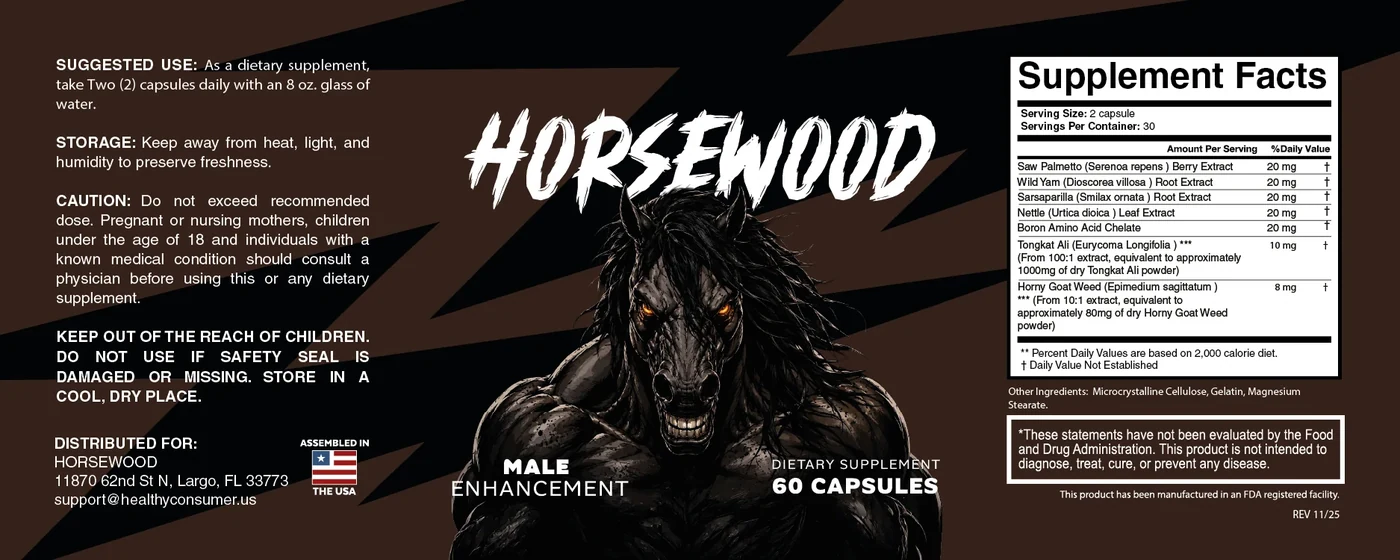
Objection one: "If I feel nothing in two weeks, it is not working — right?"
This is the most common and most costly misreading. Two weeks is inside the window where even the fastest ingredient in the formula is still building, and well before the hormone-support herbs are expected to do anything at all. Feeling nothing at two weeks is not a signal that the product has failed; it is exactly what the research would predict at that point. The mistake is treating a slow-acting botanical like a painkiller and reading the absence of an instant effect as a verdict. The verdict lives at week eight to twelve, not week two.
Objection two: "Three months feels like a long time to wait."
It does, until you compare it to the alternative, which is spending money on a two-week trial that was scientifically incapable of showing a result. The three-month window is not padding; it is the minimum honest duration for the ingredients involved. And it is precisely why the supply you buy should match it. A single 30-day bottle guarantees you stop before the important window even opens. A 90-day supply covers the whole timeline in one order, which is both the scientifically sensible choice and, as it happens, the better-value one — we work through that in Horsewood cost and bundle value explained. Buying for the timeline you actually need turns three months from a wait into a plan.
The most expensive way to take Horsewood is to buy one bottle, feel nothing at two weeks, and quit — because you paid the full price for a trial that ended before the ingredients could act. The cheapest fair trial is the one that runs the full ninety days.
Objection three: "Will the results just disappear if I stop?"
This is a fair and honest question, and the honest answer is that botanical supplements generally work only while you take them. The ingredients are not a one-time reset; they provide ongoing nutritional and adaptogenic support, so any benefit tied to them would be expected to ease off gradually after you stop, rather than locking in permanently. That is not a flaw specific to this product — it is how this whole class of support behaves, the same way the benefits of a good diet or regular sleep depend on continuing to do them. It is also a practical reason to think of the product as an ongoing routine rather than a short course, and to plan supply accordingly.
What can speed up or slow down your Horsewood timeline
The week-by-week map above assumes a fairly average starting point, but two people can follow the same schedule and reach the eight-to-twelve-week window with different experiences. A few factors reliably move the timeline, and none of them are mysterious.
Your starting point. The research on these ingredients is consistent on one thing: the clearest changes show up in people who began with a shortfall — low or borderline hormone levels, or a system under sustained stress. If you start closer to that, you are more likely to notice a shift, and sometimes sooner. If you already sit comfortably in the normal range, the effect the trials describe is smaller, and your timeline may read as quieter throughout. That is a feature of how the ingredients work, not a fault in the product.
Consistency and the basics around it. Missed doses reset the cumulative build that adaptogens depend on, so an on-and-off month behaves like a shorter, weaker trial. The everyday foundations matter just as much: sleep, training, alcohol and stress load all influence the same systems these herbs aim to support, and they can either amplify a subtle effect or bury it. A supplement is a small input layered on top of those larger ones, which is why the fairest trial pairs consistent daily use with reasonable habits rather than expecting the capsules to do the work alone.
How to track your own timeline sensibly
Because the effects are gradual and partly subjective, memory is a poor instrument for judging them. A simple log makes the difference between a real read and a vague impression. Note a few things at the start — typical energy, sleep quality, stress resilience, on a rough one-to-ten scale — and revisit the same notes at week four, week eight and week twelve. Gradual change is far easier to see in a before-and-after comparison than in day-to-day feeling, where it hides in the noise.
Keep the measures behavioural and honest: how you slept, how a stressful day went, your energy in the afternoon. Avoid the trap of checking daily for a dramatic shift, which primes disappointment and misreads a slow cumulative process as a fast one. And if you want to understand how strong the underlying evidence is for the ingredients you are tracking — so your expectations start calibrated — our look at whether Horsewood works and what the evidence shows sets a realistic baseline before you begin.
What this timeline cannot promise
A timeline tells you when to look; it does not guarantee what you will find.
It is not a treatment schedule. Nothing here claims Horsewood diagnoses, treats, cures or prevents any condition. This is a description of when supplement ingredients typically act, not a clinical outcome.
Responses vary and effects are modest. The research on these ingredients shows small changes, clearest in people who start with a shortfall. Some people will notice more than others, and some may notice little across the full window.
Consistency and health matter. Missed doses, poor sleep, high stress and other factors all influence what you experience. The timeline assumes consistent daily use, and it is not a substitute for medical care if you have symptoms that need it.
Frequently asked questions
How long before Horsewood starts working?
There is no overnight effect. The adaptogens in the formula, such as ashwagandha and maca, are usually studied over two to eight weeks, so the earliest shifts most people notice, often in energy, mood or sleep, tend to appear within the first few weeks of consistent daily use. Hormone-related changes take longer, which is why the full picture is judged at around three months.
What can I expect in the first month?
The first month is mostly about establishing the habit and letting the adaptogenic ingredients build up. Some people report subtle improvements in stress resilience, sleep quality or daytime energy in weeks two to four, while others feel little yet. Both are normal. The first month tells you whether you tolerate the product well, not whether it has reached its full effect.
Why does it take up to 3 months to judge results?
Testosterone-support herbs are typically re-assessed at eight to twelve weeks in research because that is roughly how long the body takes to respond, and adaptogens work cumulatively rather than instantly. A three-month run gives the slowest of these ingredients time to act, which is why most labels advise up to 90 days of consistent daily use before deciding whether it works for you.
Do results fade if I stop taking it?
Botanical supplements generally work only while you take them consistently, so any benefits linked to the ingredients would be expected to ease off gradually after you stop, rather than persisting indefinitely. That is not unique to this product; it is how nutritional and adaptogenic support tends to behave, and it is another reason consistent daily use over the trial period matters.
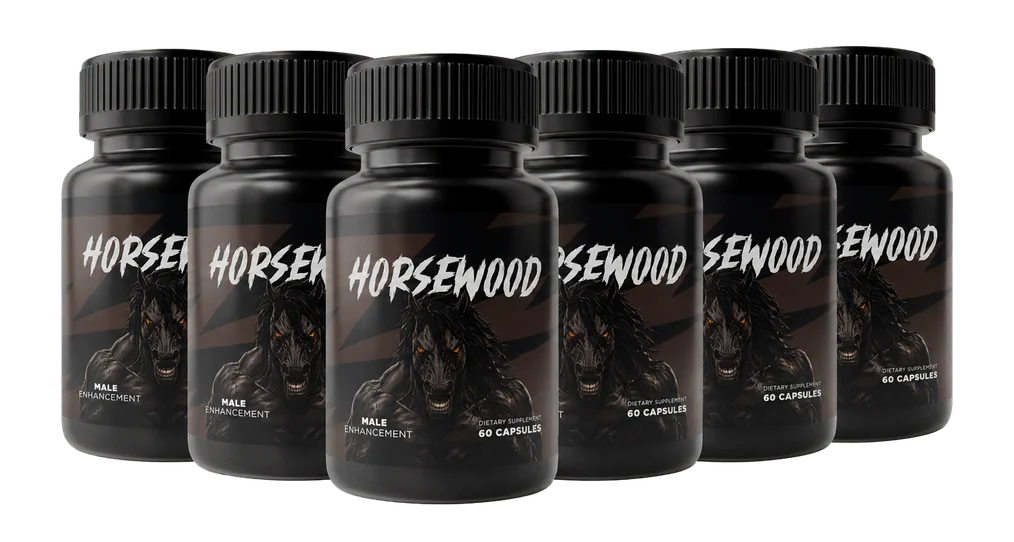
Buy the supply your timeline needs
Match the order to the 90-day window so you never run out mid-trial. Current bundles, free-shipping tiers and the 60-day money-back guarantee are on the official page.
Order NowReferences
This article is general information, not medical advice. It describes when supplement ingredients typically act and does not claim any effect for any finished product. Speak to a qualified healthcare professional before starting any supplement, particularly if you take prescription medication or have a diagnosed condition.