How to Take Horsewood: A Practical Dosage and Timing Guide
Quick answer: how to take Horsewood for a fair trial
Take the full daily serving printed on the bottle, in the morning or early afternoon, with food if your stomach is sensitive, every single day. The ingredients behind it were studied at roughly 200 to 400 mg of tongkat ali and about 300 mg of ashwagandha twice daily, and results build over eight to twelve weeks, so consistency beats a bigger dose.
- Timing: earlier in the day, because tongkat ali can be mildly stimulating.
- Consistency: daily, at a fixed time you can actually repeat.
- Patience: judge it over an 8-to-12-week window, not the first week.
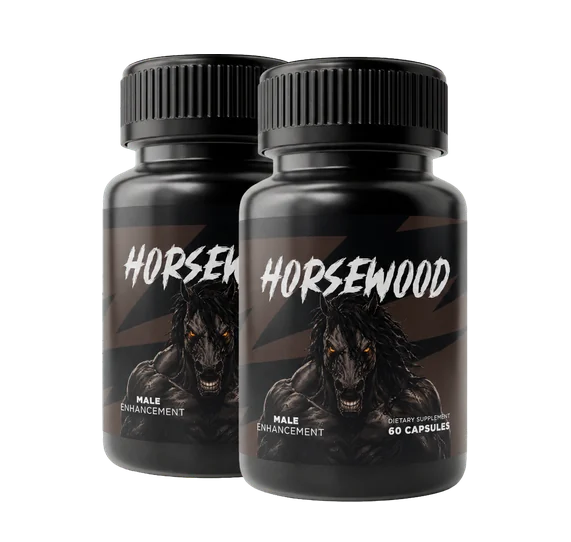
Most people learn how to take Horsewood the expensive way: they take it enthusiastically for nine days, feel nothing dramatic, decide it does not work, and quietly abandon the bottle in a drawer. That is not a verdict on the product. It is a verdict on the routine. Botanical formulas built around adaptogens and slow-acting herbs do not work like a painkiller; they work like training, where the result is the sum of many unremarkable repetitions. Getting the dose, the timing and the duration right is the difference between a real trial and a wasted one.
This guide covers exactly that. We will map the Horsewood serving to the doses its ingredients were actually studied at, explain why morning beats night, why food helps, why daily consistency matters more than any clever hack, and why the eight-to-twelve-week window is not marketing padding but the timescale the research itself used. None of this is medical advice, and the label always overrides anything here — but it will help you run the experiment properly.
The recommended Horsewood dosage and where it comes from
Start with the only number that is officially yours: the serving size on the bottle. That is the manufacturer's stated daily Horsewood dosage, and it is the figure you should follow. Everything below is context that explains why that serving is built the way it is — not permission to freelance a higher amount.
The two ingredients doing most of the heavy lifting have reasonably well-defined studied doses. Tongkat ali (Eurycoma longifolia) has most of its human research clustered around 200 to 400 mg per day of a standardised extract, taken for several weeks. Ashwagandha (Withania somnifera) is commonly studied at 300 mg taken twice daily, or a similar total delivered once a day, again over a multi-week course. The supporting herbs — fenugreek, maca and tribulus — have their own studied ranges, which our breakdown of the evidence behind each Horsewood ingredient lays out in full.
Why does this matter for how you take it? Because it tells you two things. First, the studied doses are modest and daily, not enormous one-off hits, which is exactly why doubling up does not help. Second, they were delivered every day for weeks, which is the single most important instruction in this entire guide: take it consistently, and give it time.
Timing: why morning beats bedtime
If the label allows any flexibility on when to take it, take it earlier in the day. The reason is the tongkat ali component, which has a mildly stimulating, energising quality in a lot of users. Taken with breakfast or lunch, that is a feature. Taken at 9pm, it is a recipe for lying awake, and poor sleep will do more to flatten your energy, mood and libido than the supplement could ever lift them — which sabotages the very trial you are trying to run.
If the serving is split into two capsules, a sensible pattern is one with breakfast and one with lunch, keeping the second dose before mid-afternoon. If it is a single daily serving, morning is the safe default. The precise minute does not matter; the consistency does. Anchor it to something you already do every day — the first coffee, brushing your teeth, sitting down at your desk — so the dose rides on an existing habit instead of relying on willpower.
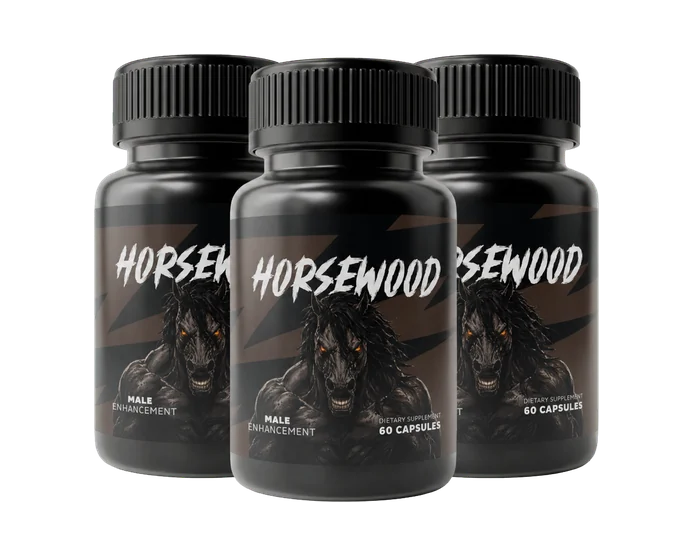
Get enough for a real trial
Because Horsewood is judged over eight to twelve weeks, a single bottle rarely covers a fair test. The multi-bottle packages on the official store are built for the full window — and they come with the bonus guides and the 60-day money-back guarantee.
See Package Options & PricingShould you take Horsewood with food?
For most people, with a meal is the better default, for two practical reasons. The first is comfort: ashwagandha and fenugreek can cause mild stomach upset in sensitive users on an empty stomach, and food blunts that. The second is adherence: tying the dose to a meal you eat every day is one of the most reliable ways to never forget it. If you happen to tolerate it perfectly well fasted, there is no strong reason to change — the timing relative to food is a comfort-and-consistency question, not a make-or-break one. What matters is that you land on a pattern you can repeat without thinking about it.
Consistency is the active ingredient
This is the part everyone underrates. Adaptogenic and botanical formulas rely on steady daily exposure to build whatever effect they produce; there is no meaningful loading dose and no benefit to sporadic heavy use. A person who takes the correct serving every day for ten weeks will get a far better read on the product than someone who takes a double dose whenever they remember, which is roughly half the time.
Treat the daily dose as non-negotiable and build a system so it does not depend on memory. Keep the bottle where you cannot miss it — next to the coffee machine, not in a cupboard. Use a phone alarm for the first fortnight until the habit sets. If you travel, decant a few days into a small container so a trip does not blow a hole in your streak. These sound trivial. They are the whole game. The best-formulated supplement in the world does nothing sitting in a drawer.
The most common reason a botanical supplement "does not work" is that it was never actually taken as studied. Same dose, same time, every day, for long enough — that unglamorous routine is what separates a genuine trial from an expensive shrug.
Dosage and timing at a glance
Here is the whole routine condensed. Use it as a quick reference, but let the printed label win any disagreement with this table.
| Question | Practical answer | Why |
|---|---|---|
| How much? | The full serving on the label | It reflects the studied daily doses of the ingredients |
| When? | Morning or early afternoon | Tongkat ali can be mildly stimulating; protects sleep |
| With food? | With a meal if sensitive; either way is fine | Reduces stomach upset and anchors the habit |
| How often? | Every single day, no skipping | Steady daily exposure is how the effect builds |
| For how long? | An 8-to-12-week trial before judging | Matches the duration used in the research |
| Cycle off? | Optional, not required | Trials ran continuously; breaks are a personal choice |

Why the 8-to-12-week window matters
The eight-to-twelve-week figure is not a stalling tactic invented to sell you a second bottle. It is the timescale the human trials on tongkat ali and ashwagandha actually used, because that is roughly how long adaptogenic and hormone-adjacent effects take to accumulate and become measurable. Judging the product after a week is like weighing yourself the morning after your first gym session and concluding exercise does not work.
This has a direct practical consequence for buying. A single bottle usually covers about a month, which is not a fair trial. Planning for the full window from the start — which is why the multi-bottle packages exist — is both cheaper per day and the only way to give the product an honest test. If you want to know what to expect at each stage of that window, our Horsewood timeline of how long it takes to work breaks the trial down week by week.
Dosage mistakes that ruin the trial
Most failed experiments with this kind of product come down to one of these avoidable errors.
Taking it only when you "need" it. These are daily-exposure ingredients, not on-demand ones. Sporadic use produces a sporadic, unreadable result.
Doubling the dose out of impatience. More is not faster. It raises the odds of side effects without shortening the timeline, and it burns through the bottle.
Taking it at night. The stimulating component can cost you sleep, and lost sleep undermines exactly the outcomes you are hoping to improve.
Quitting at day ten. The single most common mistake. You are quitting before the window the research is measured in has even opened.
Do you need to cycle off Horsewood?
Cycling — taking planned breaks — is a popular idea in supplement culture, but there is no strong evidence that this class of botanical blend requires it, and the trials generally dosed continuously across their full length. If you like the idea of cycling, a clean way to do it is to complete a full trial window, pause for a stretch, and use the break to honestly assess whether you notice a difference with it versus without it. That side-by-side is genuinely useful information and can save you money. But do not cycle because a forum told you the product "stops working" — that claim is not supported for these ingredients. As always, the label and your clinician outrank internet lore.
A note on safety before you start
Dosage and safety are two sides of the same coin, and the timing advice above assumes you have already cleared the more important question of whether this formula is appropriate for you at all. If you take daily prescription medication, have a diagnosed condition, or are unsure, read our full Horsewood side effects and safety review and talk to a pharmacist before your first dose. Getting the routine perfect matters little if the product was never right for your situation in the first place.
Related reading
Frequently asked questions
What is the recommended Horsewood dosage?
Follow the serving size printed on the bottle, which is the manufacturer's stated daily dose. As context, the ingredients behind the formula were studied at roughly 200 to 400 mg a day of tongkat ali and about 300 mg of ashwagandha taken twice daily. Take the full daily serving consistently rather than doubling up, and do not exceed the label unless a clinician tells you to.
Should I take Horsewood with food?
Taking it with a meal is a good default, especially if your stomach is sensitive. Food softens the gastrointestinal upset sometimes reported with ashwagandha and fenugreek and gives you a natural daily anchor that helps you remember the dose. If you tolerate it well on an empty stomach, that is fine too; consistency matters more than the exact timing relative to meals.
What time of day is best to take Horsewood?
Morning or early afternoon suits most people. The tongkat ali component can be mildly stimulating, so taking it late in the day risks disturbing sleep. If the serving is split into two, take the second dose no later than mid-afternoon. Pick a fixed time you can repeat every day, because a consistent routine is what actually delivers results over an eight-to-twelve-week window.
Do I need to cycle off Horsewood?
There is no strong evidence that cycling is required for this type of botanical blend, and the studies generally ran continuously for eight to twelve weeks. Some people still prefer to take periodic breaks to reassess whether they still notice a benefit and to keep costs in check. If you choose to cycle, a simple approach is to run a full trial period, pause, and judge the difference. Always follow the label and your clinician's guidance.
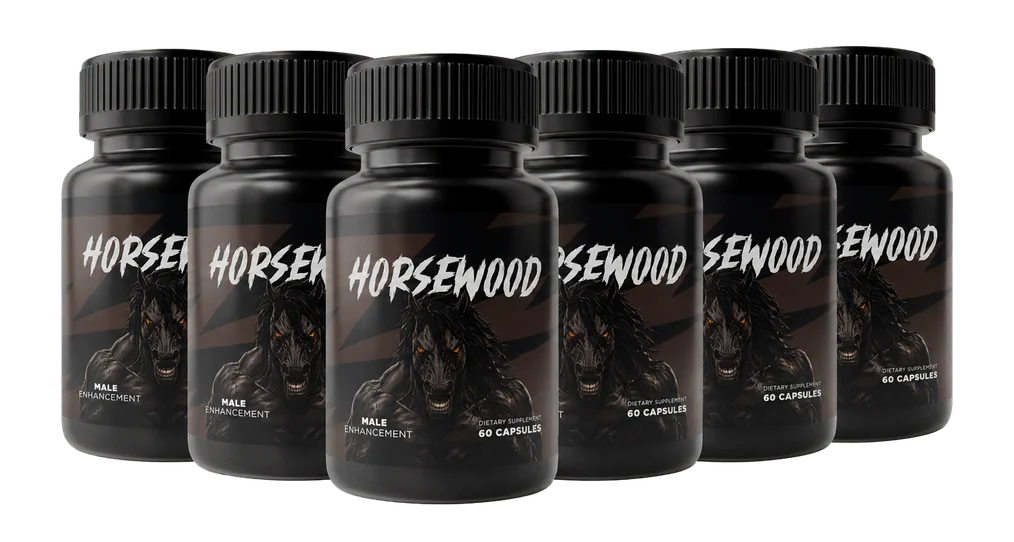
Check the official Horsewood store
Package options sized for a full trial, the current price, the bonus guides and the 60-day money-back guarantee are all on the manufacturer's own page.
Order NowReferences
- PubMed — randomised trials and dosing of Eurycoma longifolia (tongkat ali)
- PubMed — ashwagandha (Withania somnifera) dosing studies
- NIH National Center for Complementary and Integrative Health — Ashwagandha
- NIH Office of Dietary Supplements — Dietary Supplement Fact Sheets
- U.S. Food & Drug Administration — Dietary Supplements
This article is general information, not medical advice. It describes published research on individual ingredients and does not claim any effect for any finished product. Always follow the dosing instructions on the label and speak to a qualified healthcare professional before starting any supplement, particularly if you take prescription medication or have a diagnosed condition.