Fenugreek for Libido and Testosterone: What the Human Trials Measured
Quick answer: does fenugreek help libido and testosterone?
Fenugreek is one of the better-studied herbs for libido and testosterone support. Randomised trials of standardised fenugreek extract, usually around 500 to 600 mg a day, have reported improved self-rated sexual desire and modest rises in free testosterone in some men. The libido evidence is more consistent than the hormone evidence, and both effects are best judged over eight to twelve weeks.
- Libido: the more consistent signal — better desire and arousal scores in several trials.
- Testosterone: modest and mixed — small increases in some studies, none in others.
- Dose: a standardised extract near 500–600 mg/day, not culinary fenugreek.

Of all the botanicals crowded onto men's health labels, fenugreek is one of the few with a genuinely interesting file of human research behind it. Ask most people what fenugreek does and they will mention the seeds in a curry. Ask a supplement formulator and they will point to a run of placebo-controlled trials that put standardised fenugreek extract up against a dummy capsule and measured libido and testosterone directly. That combination — a familiar food with real randomised data — is rarer in this aisle than the marketing implies, which is exactly why fenugreek is worth a proper look before you judge any formula that contains it.
This deep dive works through what those trials actually measured, the doses they used, how big the effect really is, and the objections worth taking seriously. The short version is that fenugreek earns its place better than most ingredients on the shelf, provided you keep your expectations honest and the dose realistic.
What fenugreek is, and why researchers keep testing it
Fenugreek (Trigonella foenum-graecum) is a small annual legume grown across the Mediterranean, the Middle East and South Asia, where its seeds have been a culinary and traditional-medicine staple for centuries. The seed is rich in a family of compounds called steroidal saponins — furostanol saponins in particular — and it is these, rather than any single "active," that the men's-health research is interested in.
The mechanistic story runs along two lines. The first is that fenugreek saponins may support the body's own testosterone signalling and help maintain free (unbound, biologically active) testosterone rather than manufacturing hormone out of nowhere. The second is that fenugreek may influence libido through pathways that are partly independent of testosterone altogether — which would explain why the desire results are stronger than the hormone results. Both mechanisms are plausible and partly supported, and neither justifies the "instant test booster" framing you will see in ads.
Fenugreek, libido and testosterone: what the trials found
Here is where fenugreek separates itself from most of the shelf. Several randomised, placebo-controlled trials in healthy adult men have used standardised fenugreek extracts and measured sexual function and hormones as pre-defined endpoints, rather than leaving them to testimonials.
On libido, the picture is reasonably consistent. Trials using standardised extracts reported statistically significant improvements in self-rated sexual desire, arousal, and in some cases satisfaction and quality of life, compared with placebo, over eight-to-twelve-week courses. Because these are self-report questionnaires rather than objective measures, they carry the usual caveats — but the fact that the placebo groups did not move as much is what makes the signal credible.
On testosterone, the results are more mixed and more modest. Some trials found small but measurable increases in free or total testosterone versus placebo; others found no significant hormonal change while still reporting the libido benefit. When an effect on testosterone shows up, it is a nudge, not a transformation. That inconsistency is not a scandal — it is what real, honestly reported herbal research usually looks like, and it is the correct expectation to carry into any product decision.
The most useful way to hold both findings at once: fenugreek's libido effect appears to be the sturdier of the two, and it does not depend on a large testosterone increase to occur. If your interest is desire rather than a number on a lab report, that is arguably good news. If you want to understand why those are different targets, our comparison of testosterone-support versus libido-support formulas unpacks the distinction in detail.
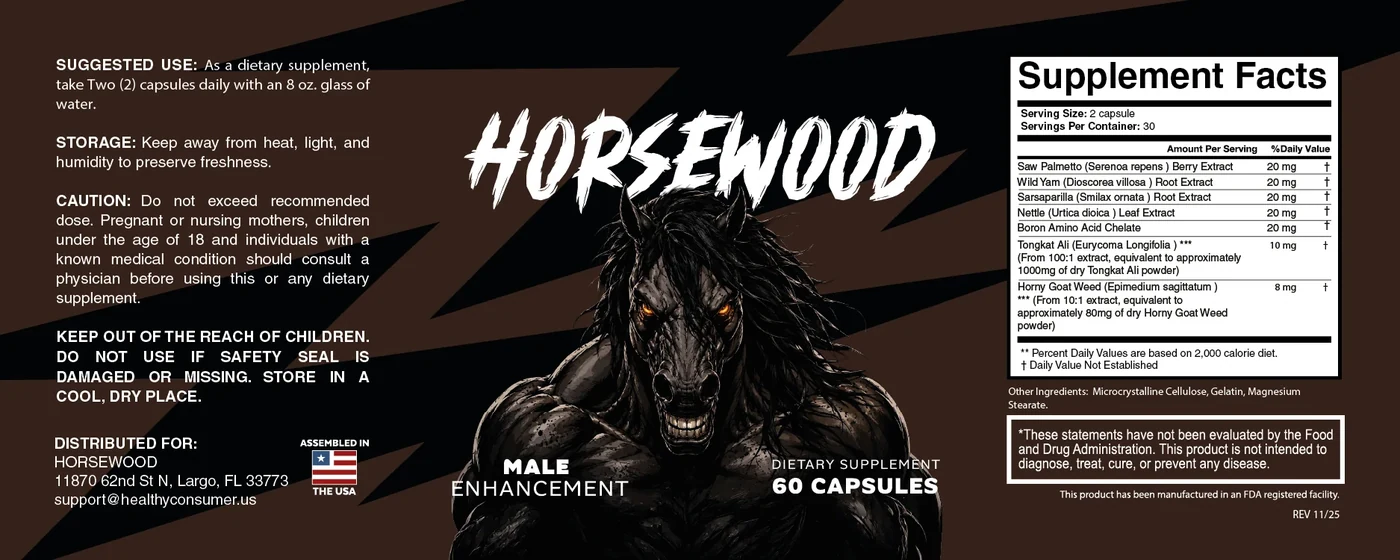
See how fenugreek fits the full formula
Fenugreek is only one of the botanicals in the Horsewood blend. The official store shows the complete label, the per-ingredient amounts, the package options and the 60-day money-back terms in one place.
View the Full Label & PricingHow much fenugreek the studies actually used
This is the detail that decides whether any trial result applies to the bottle in your hand. The positive fenugreek studies did not use a pinch of the spice or a token dusting of seed powder. They used a standardised extract, typically around 500 to 600 mg per day, concentrated and standardised to a specified saponin content, taken daily for two to three months.
Two words in that sentence are doing all the work: standardised and extract. A label that simply says "fenugreek seed powder 100 mg" is not delivering what the research tested, both because the amount is far lower and because raw powder is not standardised to the saponin fraction the studies relied on. This is the single most common way marketing borrows the credibility of fenugreek's research while smuggling in a dose that could never reproduce it. When you evaluate any product, the question is not "does it contain fenugreek?" but "does it contain a standardised extract at an amount that resembles the trials?"
| Endpoint | What trials measured | Typical studied form & dose | Evidence strength |
|---|---|---|---|
| Libido / sexual desire | Self-rated desire, arousal, satisfaction scores | Standardised extract, ~500–600 mg/day, 8–12 weeks | Reasonably consistent across several placebo-controlled trials |
| Free / total testosterone | Serum testosterone before and after | Standardised extract, ~500–600 mg/day, 8–12 weeks | Modest and mixed — small increase in some, none in others |
| Culinary fenugreek powder | Not the studied intervention | Small milligram amounts, unstandardised | Does not represent the trial dose |
How big is the effect, really?
Set expectations at the level the data supports and you will not be disappointed. Fenugreek, at a studied dose, is a modest lever. On libido it can produce a noticeable improvement in desire for some men over a couple of months; on testosterone, where it acts at all, it is a small shift rather than the kind of change that reshapes body composition. Anyone promising a dramatic overnight surge from fenugreek is selling a story the research does not tell.
That modesty is not a weakness of fenugreek specifically; it is the ceiling of the entire over-the-counter botanical category. Judged fairly — as a gentle, evidence-backed nudge you evaluate over eight to twelve weeks — fenugreek is one of the better bets on the shelf. Judged against pharmaceutical expectations, it, like everything else in the aisle, will fall short. Choosing the right yardstick is most of the battle.

Three objections worth taking seriously
Good ingredients still deserve scrutiny. Here are the three fair criticisms of the fenugreek story, and honest answers to each.
"The testosterone results contradict each other." They partly do, and that is worth acknowledging rather than hiding. Different trials used different extracts, enrolled different men, and measured at different points, so the hormone signal is genuinely inconsistent. The libido signal is steadier, which is why it is fair to lead with libido and treat the testosterone effect as a possible bonus rather than the headline.
"Some trials were funded by extract manufacturers." True of a portion of the literature, as it is across supplement research generally. That is a reason to weight independent replication more heavily and to read industry-funded results with appropriate caution — not a reason to dismiss the whole file, because the placebo-controlled design still constrains how much sponsorship can inflate a result.
"It only works in a blend, and blends are not tested." This is the strongest objection, and it applies to fenugreek inside any multi-ingredient product, including this one. No finished blend has a trial behind it. What you can check is whether the blend carries fenugreek as a standardised extract near the studied amount, and whether it discloses that amount rather than hiding it in a proprietary total. Our breakdown of the evidence behind each Horsewood ingredient applies exactly that test to the whole panel.
Fenugreek is a rare thing in this aisle: an ingredient whose marketing story is roughly the size of its evidence. The trap is not the herb — it is the gap between the standardised extract the studies used and the token dose a cheap capsule delivers.
Fenugreek versus the other libido botanicals
Fenugreek does not sit alone on these labels. It usually shares the panel with maca, tribulus and others, and shoppers understandably want to know which is worth caring about. Broadly: fenugreek has the more consistent libido data and a plausible-but-modest testosterone story; maca has a small set of trials on desire with no hormonal effect; tribulus is heavily marketed on testosterone but has repeatedly failed to raise it in controlled trials. Our dedicated review of maca and tribulus for libido goes through those two in the same evidence-first way, and reading the three side by side is the fastest way to see why they are not interchangeable despite appearing together on almost every bottle.
The practical upshot is that not all "libido botanicals" are created equal, and a label listing five of them is not five times as good as a label built around the one or two with the best data at the right dose. Quality of dosing beats length of ingredient list every time.
What fenugreek cannot do — and its side effects
Honesty about the ceiling is more useful than another paragraph of enthusiasm.
It cannot treat erectile dysfunction or low testosterone as a medical condition. Persistent ED and diagnosed hypogonadism are medical issues that need a doctor, not a botanical. Using fenugreek to paper over either can delay a conversation that matters far more.
It will not deliver a dramatic hormonal transformation. The testosterone effect, where present, is small. Treat any product implying otherwise with suspicion.
Its side effects are usually mild. The common ones are digestive gas and a distinctive maple-syrup smell to sweat or urine, which is harmless. More importantly, fenugreek can lower blood sugar — a real consideration for anyone on diabetes medication — and people allergic to chickpeas or peanuts may react. Anyone on blood thinners or other daily medication should check with a clinician first. Our full Horsewood side effects and safety review covers how fenugreek interacts with the rest of the formula.
How to judge fenugreek in a real product
Bring it back to a checklist you can use in thirty seconds on any label. Is the fenugreek a standardised extract, or plain seed powder? Is the amount disclosed per ingredient, or hidden inside a proprietary blend total? Is that amount somewhere near the 500-to-600 mg range the trials used, allowing for the concentration of the extract? And is the rest of the formula built the same honest way? A product that passes those checks is using fenugreek the way the research intended; one that fails them is renting fenugreek's reputation without paying for the dose.
If you decide a fenugreek-containing formula is worth trying, give it the full eight-to-twelve-week window the studies used, take it consistently, and buy from the official store so the label matches the bottle. That last point matters more than it sounds: an unknown marketplace reseller means an unknown supply chain, and the whole value of a standardised extract collapses if you cannot trust what is actually inside.
Related reading
Frequently asked questions
Does fenugreek raise testosterone?
Some randomised trials of standardised fenugreek extract have reported modest increases in free or total testosterone versus placebo, while others found no change. The effect, where it appears, is small rather than dramatic, and the studies vary in the extract used and the men enrolled. Fenugreek is better described as one of the more promising herbal options for testosterone support than as a proven testosterone booster.
How much fenugreek is used in studies?
Most positive trials used a standardised fenugreek extract at roughly 500 to 600 mg per day, taken for eight to twelve weeks. That is a concentrated extract standardised to specific saponins, not a scoop of culinary fenugreek. A capsule that lists plain fenugreek powder in small milligram amounts is not delivering what those studies tested.
Can fenugreek improve libido?
The libido evidence is actually stronger and more consistent than the testosterone evidence. Several placebo-controlled trials using standardised extracts reported improvements in self-rated sexual desire, arousal and satisfaction in healthy men. As with testosterone, the effect is modest and best judged over an eight-to-twelve-week course rather than in the first couple of weeks.
Are there fenugreek side effects?
Fenugreek is generally well tolerated. The most common effects are digestive gas and a maple-syrup smell to sweat or urine, which is harmless. It can lower blood sugar, so people on diabetes medication should be cautious, and those allergic to chickpeas or peanuts may react. Anyone on blood thinners or other daily medication should check with a clinician first.
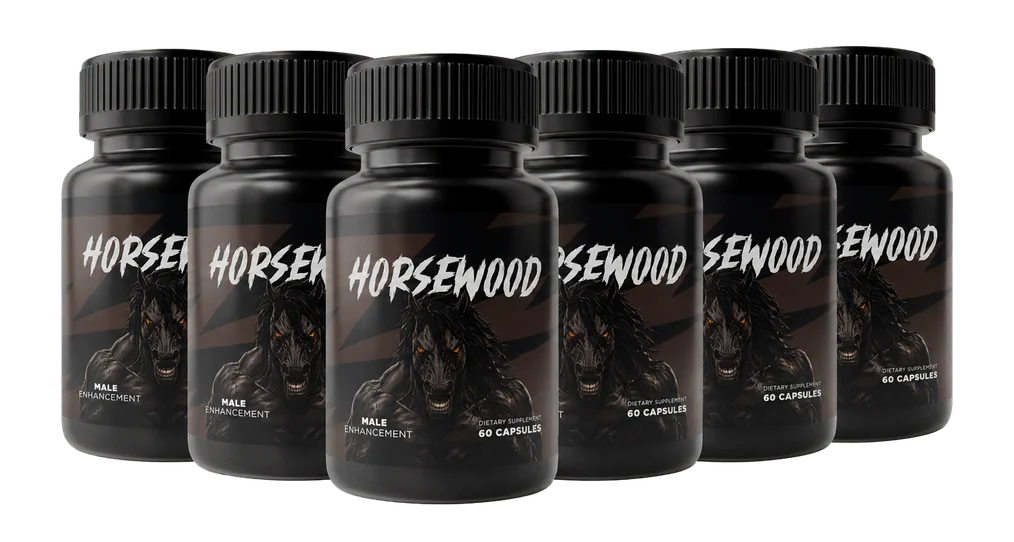
Check the official Horsewood store
See how fenugreek is dosed within the full formula, along with the package options, current price, bonus guides and the 60-day money-back guarantee — all on the manufacturer's own page.
Order NowReferences
- PubMed — randomised trials of fenugreek extract and testosterone
- PubMed — fenugreek, libido and sexual function in men
- NIH National Center for Complementary and Integrative Health — Fenugreek
- MedlinePlus — Fenugreek: uses, interactions and safety
- NIH Office of Dietary Supplements — Dietary Supplement Fact Sheets
This article is general information, not medical advice. It describes published research on individual ingredients and does not claim any effect for any finished product. Speak to a qualified healthcare professional before starting any supplement, particularly if you take prescription medication or have a diagnosed condition.