Best Male Enhancement Supplements 2026: Testosterone Support or Libido Support?
Quick answer: which type of formula do you actually need?
Products in this aisle split into two camps that target different biology. Hormone-axis formulas use ingredients such as boron, zinc, vitamin D and standardised tongkat ali, and the clearest results in trials come from men who started low or nutrient-deficient. Libido and blood-flow formulas use ingredients such as maca, saffron, L-citrulline or dietary nitrate, and target desire or vascular function rather than hormones. Matching the camp to your actual symptom is most of the decision, and no capsule blend can deliver the multi-gram doses the blood-flow ingredients were studied at.
- Flat desire, normal energy: the hormone camp is probably the wrong shelf.
- Fatigue, low mood, poor recovery: get bloods done before buying anything.
- Erection quality specifically: that is a vascular question and a medical one first.

Two different problems wearing the same label
The category markets itself as though "male enhancement" were a single outcome, and ranked lists of the best male enhancement supplements 2026 reinforce that by putting very different products in one column. Biologically it is at least three separate things: hormone status, sexual desire, and erectile function. They influence one another, but they can fail independently, and a formula built for one has no particular reason to help with another.
Testosterone is a hormone produced mainly in the testes under signals from the pituitary. It shapes muscle mass, bone density, red blood cell production, mood and, to a degree, libido. Desire is generated in the brain, in circuits involving dopamine, serotonin, oxytocin and the whole apparatus of stress and reward. Erectile function is largely mechanical and vascular: nitric oxide signalling relaxes smooth muscle, arteries fill, veins close, and the whole thing depends on the health of the endothelium lining your blood vessels.
You can have healthy testosterone and no desire. You can have plenty of desire and unreliable erections. You can have low testosterone and be entirely unbothered in the bedroom while feeling exhausted at work. The single most common mistake shoppers make is buying for the wrong one of the three.
Camp one: hormone-axis formulas
These are the products that talk about free testosterone, SHBG, luteinising hormone and the "T to cortisol ratio". The recurring ingredients are boron, zinc, magnesium, vitamin D, ashwagandha and standardised tongkat ali, sometimes with fenugreek or nettle root alongside.
The useful thing about this camp is that several of its ingredients are dosed at amounts a capsule can genuinely carry. Boron has small human studies at around 6–10 mg per day suggesting effects on free testosterone and on the binding protein that keeps testosterone unavailable. Zinc and vitamin D matter to hormone production, and correcting a real deficiency in either can move measured values — correcting a deficiency you do not have will not. Tongkat ali has the most substantial botanical trial record in the group.
The limitation is equally clear and rarely stated: the responders in these trials are usually men who started below the normal range or who were genuinely deficient in a nutrient. Correction is not the same as enhancement. If your bloods come back mid-range and your vitamin D is fine, the realistic expectation from this camp is close to nothing, and anyone asking whether testosterone boosters are worth it deserves that answer rather than a sales page.
One genuine caution: DHEA appears in some formulas and is a hormone rather than a nutrient. It is prohibited in competitive sport, is regulated differently in different countries, and is not something to take casually alongside a botanical blend.
Camp two: libido and blood-flow formulas
The second camp targets desire or circulation, and its ingredient list looks quite different: maca, saffron, ginseng, L-citrulline, L-arginine, beetroot-derived nitrate, pine bark extract, sometimes horny goat weed.
The desire ingredients have a modest but real research base. Maca's trials measured self-reported desire and, notably, found no hormone change, which is consistent with a central rather than endocrine effect. Saffron has been studied for sexual side effects associated with certain antidepressants. Ginseng has a scattered literature on sexual function of mixed quality. None of it is decisive; all of it is at least aimed at the right target. Our closer look at what the maca and tribulus trials actually measured goes through the dosing in detail.
The blood-flow ingredients have a bigger problem: arithmetic. L-citrulline is studied at roughly 3–6 g per day, and dietary nitrate research typically uses concentrated beetroot juice. Those are spoonfuls, not capsules. A blend listing 100 mg of L-arginine is delivering perhaps a fiftieth of a studied amount. The ingredient is on the label. The evidence is not in the bottle.
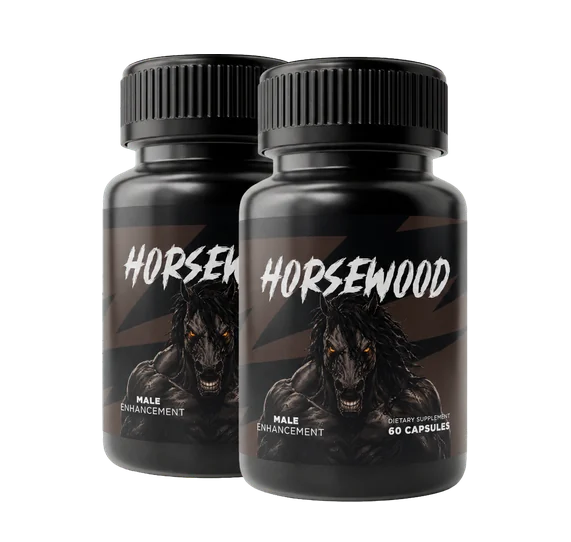
See which camp Horsewood belongs to
The official store lists the full panel, the package options and the 60-day money-back terms — the fastest way to check the formula against the two categories described here.
View Official PricingBest male enhancement supplements 2026: how the two camps compare
Laid out side by side, the differences are practical rather than philosophical.
| Approach | Typical ingredients | What it targets | Can a capsule deliver the studied dose? | Evidence strength |
|---|---|---|---|---|
| Hormone-axis support | Boron, zinc, vitamin D, magnesium, tongkat ali, ashwagandha | Free testosterone, SHBG, stress hormones | Yes for the minerals and standardised extracts | Moderate, and concentrated in men who started low or deficient |
| Desire support | Maca, saffron, ginseng | Central drive and mood | Only maca as a stated concentrated extract | Small trials, suggestive, limited replication |
| Blood-flow support | L-citrulline, L-arginine, dietary nitrate, pine bark | Nitric oxide and endothelial function | No — the studied doses are multi-gram | Reasonable for the ingredients at real doses, irrelevant at capsule doses |
| Prostate and urinary support | Saw palmetto, nettle root, pygeum | Lower urinary tract symptoms | Yes | Well studied, and the largest saw palmetto trials were negative |
| Everything-at-once blends | Six to ten of the above | Marketed at all three outcomes | Rarely, because the space runs out | No trial exists on any finished blend |
The last row is where most of the market lives, and it explains why so many shortlists of the best male enhancement supplements on the market end up looking identical. When a formula tries to serve three biologies at once, something has to be present at a token amount.
Working out which camp you belong in
This is a clinical question with a non-clinical shortcut, so treat the shortcut as a way of framing the conversation with a doctor rather than replacing it.
If the dominant complaint is fatigue — flat mood, poor training recovery, loss of morning energy, reduced muscle mass over a year or two — the hormone axis is worth investigating properly. That means a morning blood test for total testosterone, usually repeated, often with free testosterone, SHBG and pituitary hormones. It is cheap, it is definitive, and it costs nothing to ask.
If desire specifically has drained away while energy is intact, look first at the things that suppress desire centrally: sleep debt, chronic stress, alcohol, relationship context, depression, and the side-effect profile of any medication you take. Several very common prescriptions affect libido, and that is a conversation with a prescriber rather than a shopping decision.
If the issue is erection quality, it belongs to a doctor before it belongs to a supplement aisle. Erectile difficulty is often the first visible sign of endothelial dysfunction, and endothelial dysfunction precedes cardiovascular disease. It is also strongly associated with sleep apnoea, diabetes and blood pressure medication. Buying capsules for it can mean spending three months not investigating something that matters.
What moves the needle more than either camp
It is a dull list and it outperforms the entire aisle, which is why almost no product page leads with it.
Sleep. Testosterone production is tied to sleep architecture, and sustained short sleep lowers measured levels in controlled studies. Untreated sleep apnoea is a particularly common and reversible contributor, and it also drives daytime fatigue that gets misread as a hormone problem.
Body composition. Adipose tissue converts testosterone to estradiol, so excess body fat pushes the balance in the wrong direction. Losing fat mass is one of the few interventions that reliably changes measured hormone values without a prescription.
Resistance training. Not for the acute post-workout hormone spike, which is small and transient, but for the body-composition and insulin-sensitivity changes that accumulate over months.
Alcohol. Heavy intake suppresses the hormone axis and independently degrades erectile function and sleep quality. This is usually the highest-yield single change available.
Medication audit. Some blood pressure drugs, antidepressants, hair-loss treatments and others have well-documented sexual side effects. A prescriber can often swap within a class.
If a formula promises to fix desire, hormones and erections at once, it is describing three different systems with one capsule. The right question is which of the three it is actually dosed for — and usually the answer is one, at best.
What neither camp can do
The honest boundaries, stated plainly.
Neither is a treatment. Diagnosed hypogonadism and diagnosed erectile dysfunction are medical conditions with medical management. Supplements are not an alternative pathway and should never be used to postpone assessment.
Neither changes anatomy. No oral product alters size or structure, and any page suggesting otherwise is making a claim with nothing behind it.
Neither has trial data as a finished blend. Every piece of evidence discussed here concerns a single ingredient at a specific dose. Combining seven of them does not combine seven bodies of evidence.
Neither works quickly. Trials in this field run eight to twelve weeks. Anything advertising results within an hour is describing a drug effect, and in this category that has repeatedly meant an undeclared drug.
Where a blend like Horsewood sits
Horsewood is a daily multi-botanical capsule, which places it in the mixed-blend row of the table above rather than cleanly in either camp. Its formula leans towards hormone-axis and prostate ingredients rather than nitric-oxide precursors, which is at least internally consistent, because those are the ingredients that can plausibly be delivered at studied amounts in capsule form. Our page on what Horsewood contains and what the company claims for it lays out the panel, and there is no published trial on the finished blend — the same is true of essentially every competitor.
If you are still weighing where to buy a testosterone booster or a daily botanical blend, the useful comparison is not brand against brand but panel against research. Rankings of the best male enhancement supplements 2026 mostly compare marketing budgets; panels compare biology. Ask which camp the product is dosed for, whether the amounts are disclosed, and whether the ingredient carrying the marketing weight is present at a research-shaped dose. That question sorts the shelf faster than any ranking does.
Frequently asked questions
Is low libido the same thing as low testosterone?
No. The two overlap but they are not the same. Many men with a flat sex drive have testosterone squarely in the normal range, and some men with genuinely low testosterone still have intact desire. Only blood tests ordered by a doctor and read alongside your symptoms can separate the two.
Do testosterone-support supplements do anything if my levels are already normal?
The clearest changes in the published trials tend to appear in men who started low or borderline, or who were deficient in a specific nutrient such as zinc or vitamin D. If your hormone levels and nutrient status are already normal, the honest expectation is little to no measurable change.
Can a capsule really improve blood flow the way the labels suggest?
The nitric-oxide ingredients that have human data, such as L-citrulline and dietary nitrate from beetroot, were studied at multi-gram doses. A two-capsule daily serving cannot physically hold that much alongside anything else, so a blend listing them in milligrams is not delivering the amount that was studied.
When should I see a doctor rather than buy a supplement?
Book the appointment first if erectile difficulty is persistent, if desire dropped away suddenly, if you have fatigue alongside low mood, or if you already have high blood pressure, diabetes or heart disease. Erectile difficulty can be an early sign of cardiovascular problems, and catching that early matters far more than any capsule choice.
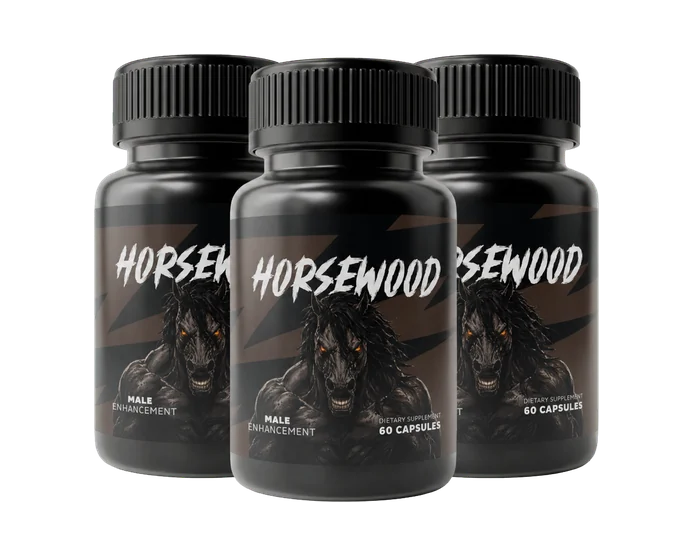
Check the current official options
Package choices, the bonus guides and the 60-day money-back guarantee, on the manufacturer's own page.
Order NowReferences
- Mayo Clinic — Male hypogonadism: symptoms and causes
- NIDDK (NIH) — Erectile dysfunction: definition and facts
- NIH Office of Dietary Supplements — Vitamin D fact sheet for health professionals
- PubMed — research on sleep restriction and testosterone in healthy men
- Harvard T.H. Chan School of Public Health — The Healthy Eating Plate
This article is general information, not medical advice. It describes published research on individual ingredients and does not claim any effect for any finished product. Speak to a qualified healthcare professional before starting any supplement, particularly if you take prescription medication or have a diagnosed condition.