Horsewood vs Other Male Formulas Compared
Quick answer: how should you weigh Horsewood vs other male supplements?
When comparing Horsewood vs other male supplements, ignore the superlatives and score every product on five checkable criteria: label transparency versus a proprietary blend, whether shared ingredients such as tongkat ali, ashwagandha, fenugreek and zinc appear at studied doses, third-party testing, the guarantee, and cost-per-day. Transparent, studied dosing is the deciding advantage, because it is the only thing that lets you verify a formula against the research rather than against its own advertising. No finished blend has been trialled head-to-head, so the panel is the comparison.
- Transparency beats blends: per-ingredient amounts you can verify.
- Dose over name-count: studied amounts matter more than a long list.
- Value is dose-adjusted: cost-per-day only counts if the actives are real.
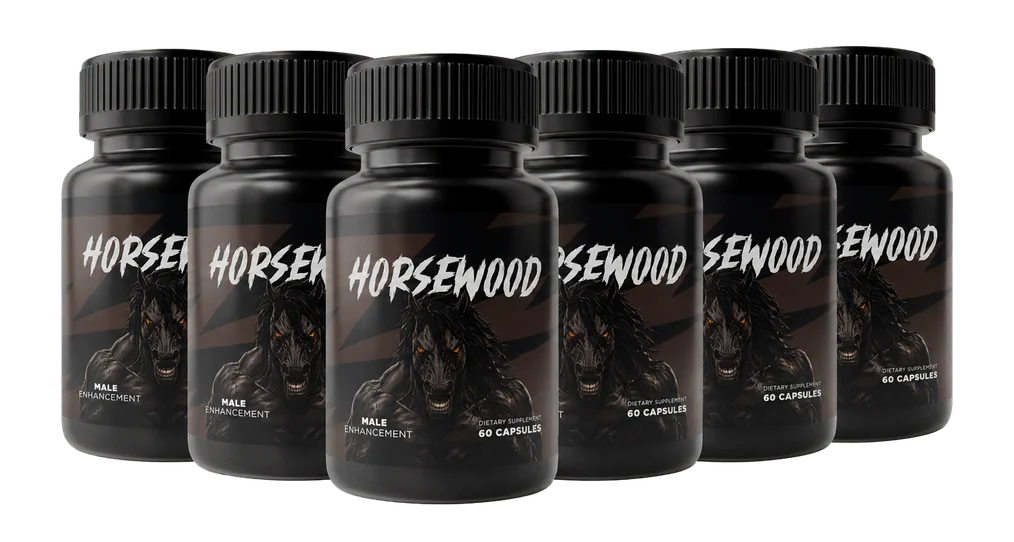
Every male-vitality product on the shelf claims to be the best one, which means the claim itself carries no information. If you want to compare Horsewood against the rest of the category honestly, you have to throw out the adjectives and score each option on things you can actually verify. That is what this comparison does. It will not crown a winner for you, because the right choice depends on your budget and what is on the current label, but it will give you a repeatable method that works on any two bottles.
We will hold one rule throughout: claims are anchored to what trials measured, never to what a sales page promises. And we will keep the honest boundary that governs this whole category, which is that no over-the-counter blend, Horsewood included, has been proven to treat or cure anything. What we are comparing is the quality of the evidence and the fairness of the deal.
Horsewood vs other male supplements: how to run a fair comparison
The mistake most buyers make is comparing front-of-box promises, which are close to identical across every product and therefore useless as a tiebreaker. The comparison that separates one formula from another happens one layer down, on five axes. Score both products on each, and the better buy usually becomes obvious.
1. Label transparency: studied doses vs proprietary blends
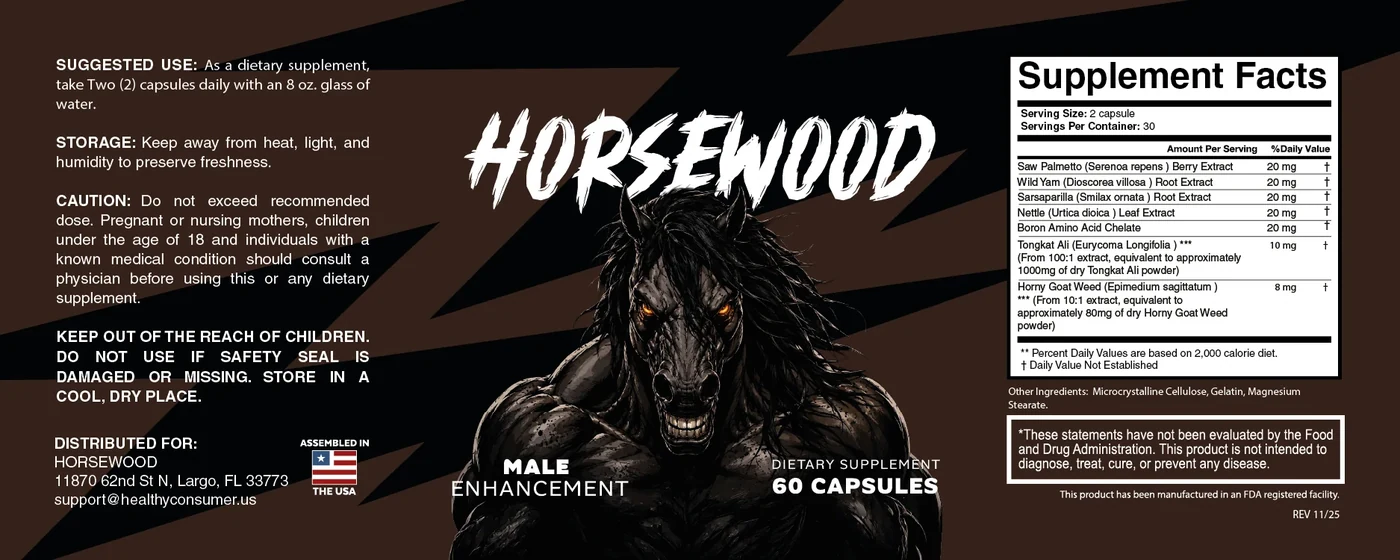
This is the axis that decides most of the others, because if you cannot see the doses you cannot evaluate anything else. A transparent label gives every active its own milligram figure. A proprietary blend hands you one combined number for several ingredients, which is legal but leaves you blind to how much of each you are getting. The reason this favours the buyer so heavily is simple: a blend lets a company put a studied-sounding ingredient on the label in a token amount, hidden behind cheaper filler, while a transparent formula has nowhere to hide an underdose. When you compare Horsewood vs other male supplements, a fully disclosed panel is worth more than any marketing claim on the box. Our walkthrough on vetting an OTC male formula before buying shows exactly how to read one.
2. Ingredient overlap: the same names, very different amounts
Open five male formulas and you will see the same cast repeatedly: tongkat ali, ashwagandha, fenugreek, zinc, sometimes maca or tribulus. The overlap is so heavy that the ingredient list alone barely distinguishes products. What distinguishes them is the amount and the form. Tongkat ali was studied at roughly 200 to 400 mg a day of a standardised extract; ashwagandha at around 300 mg of a standardised root extract, often twice daily; fenugreek and zinc each have their own studied ranges. A formula listing all five names at trace amounts is not comparable to one listing three of them at studied doses. Count doses, not names.
3. Third-party testing
Because supplements are not pre-approved by the FDA, independent testing is how you close the gap between what a label says and what a capsule contains. A product certified by NSF or USP, or one that publishes a certificate of analysis from an accredited lab, has cleared a bar that most of the category simply skips. In a head-to-head, a tested product should outrank an untested one even if the untested one has a slightly nicer-looking label, because a label you cannot verify is a promise, not a fact.
4. The guarantee
A refund policy is both a safety net and a signal. It caps your downside if a formula does nothing for you, and it hints at how confident the seller is. Compare the length and the conditions. The official Horsewood store lists a 60-day money-back guarantee; a competitor offering fourteen days, or restocking fees, or "opened bottles excluded", is offering you materially less protection for what may be a similar price. Read the actual terms on each order page, because this is where the real difference often hides.
5. Cost-per-day, adjusted for dose
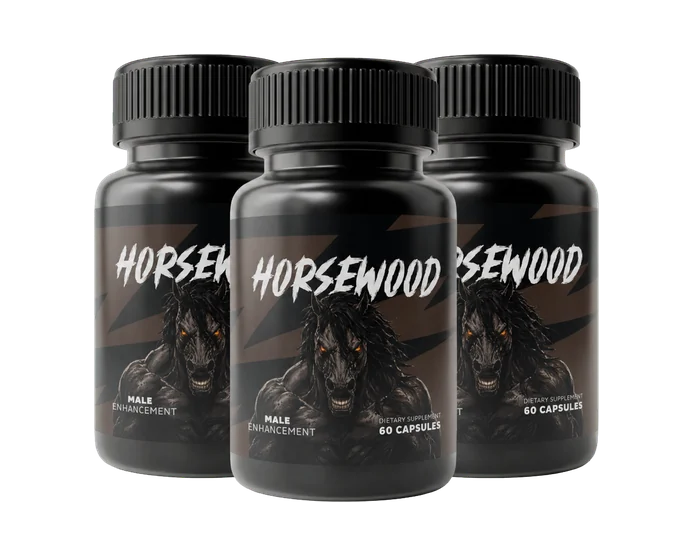
Price is the axis people over-weight and mis-calculate. The right figure is cost-per-day: bottle price divided by how many days it lasts at the label serving, not per capsule and not per bottle. Multi-bottle bundles almost always lower that daily number, which is why Horsewood and most of its competitors price their three- and six-bottle packages more aggressively. But cost-per-day only means something once dose quality is settled. A cheaper daily cost for a formula that underdoses every active is not a saving; it is paying less for less. The sensible comparison is cost-per-day among products that pass the dose and testing checks.
Compare Horsewood's panel and pricing directly
The full ingredient panel, the current Horsewood price per package and the 60-day money-back terms are on the official page, so you can run all five checks against any competitor.
View Official Pricing| Comparison axis | What a stronger formula shows | What a weaker formula shows |
|---|---|---|
| Label transparency | Every active listed with its own dose | Ingredients hidden in one proprietary blend total |
| Tongkat ali | Standardised extract, ~200–400 mg/day | Unspecified "root", amount undisclosed |
| Ashwagandha | Standardised extract near ~300 mg | Named on label, amount unknown |
| Fenugreek & zinc | Listed at their own studied amounts | Buried in a blend or trace-dosed |
| Third-party testing | NSF/USP seal or certificate of analysis | No independent verification mentioned |
| Guarantee | Clear 60-day money-back terms | Short window, fees, or exclusions |
| Cost-per-day | Lower on bundles, actives verified | Cheap because the actives are thin |
Where Horsewood tends to sit in this comparison
Applied to Horsewood, the method points to a few consistent observations rather than a slogan. Horsewood is built around the ingredients with the most human research behind them in this category, tongkat ali and ashwagandha chief among them, which is a genuine point in its favour when the alternative is a formula leaning on ingredients with only laboratory or animal data. It presents its label and its 60-day guarantee openly, which is exactly what the transparency and guarantee axes reward. And it prices in multi-bottle bundles, which is where cost-per-day comes down.
None of that makes it a certainty, and the honest comparison says so. The same ingredients appear in competing products, sometimes at similar amounts, and the deciding factors then come down to which panel is fully transparent, which product is third-party tested, and which package genuinely lowers your daily cost. That is a comparison you finish on the two order pages, not in an article, which is the whole point of having a method rather than a verdict. If you want the biology behind the shared ingredients before you compare, our summary of the evidence behind Horsewood's ingredients lays out what each one was actually shown to do.
No over-the-counter blend has ever been tested head-to-head against another in a human trial. That means the only real comparison available to you is the one printed on the two panels — which is exactly why transparency wins.
Two comparison myths worth retiring
"More ingredients means a stronger formula." It usually means the opposite. A two-capsule serving has finite room, so a formula packing in nine or ten botanicals almost has to shrink each one below its studied dose to fit. A shorter list of well-dosed actives frequently beats a long list of trace amounts. When comparing Horsewood vs other male supplements, treat a very long ingredient list as a question, not a selling point, and go find the doses.
"The cheapest one is the best value." Value is output per dollar, not the lowest price tag. If the cheap option underdoses everything, its true cost-per-effective-dose is infinite, because you are paying for actives that never reach the amount the research used. The genuinely better value is often the mid-priced formula that hits studied doses and is third-party tested, and it becomes cheaper still on a bundle. This is also where the distinction between raising testosterone and supporting libido matters, since the two goals point you toward different ingredients and different value judgements, which we unpack in testosterone support versus libido support.
Frequently asked questions
How does Horsewood compare to other male health formulas?
The comparison that matters is not marketing but the panel. Judge Horsewood against other male formulas on five things: whether doses are transparent rather than hidden in a proprietary blend, whether shared ingredients such as tongkat ali, ashwagandha, fenugreek and zinc appear at studied amounts, whether the product is third-party tested, whether there is a money-back guarantee, and what it costs per day. A formula that scores well on transparency and studied doses is easier to evaluate honestly than one built on a blend and superlatives.
Which male supplements use clinically studied doses?
You cannot tell from the front of the box; you have to read the Supplement Facts panel. A supplement uses clinically studied doses when each active is listed with its own amount that matches human trials, for example roughly 200 to 400 milligrams of a standardised tongkat ali extract or around 300 milligrams of a standardised ashwagandha extract. Products that bury ingredients inside a single blend total may or may not reach those amounts, and there is no way to confirm it, so treat undisclosed dosing as unproven.
Is a transparent label better than a proprietary blend?
For a buyer, yes. A transparent label gives each ingredient its own milligram figure, so you can check every active against the research and compare products fairly. A proprietary blend gives one combined number, which lets a company use a token amount of an expensive active behind a larger amount of cheap filler while the label still looks impressive. Transparency does not guarantee a product works, but it is the only way to verify that the doses are even in the studied range.
How do I compare cost-per-day between formulas?
Divide the price of a bottle by the number of days it lasts at the label's serving size, not by the number of capsules. A larger multi-bottle package usually lowers the daily cost, and many stores including Horsewood price their bundles that way. Then weigh that daily figure against dose quality: a cheaper product that underdoses its actives is not better value, because you are paying less for less, while a slightly higher cost-per-day for studied doses and third-party testing can be the more sensible spend.
Finish the comparison on the official page
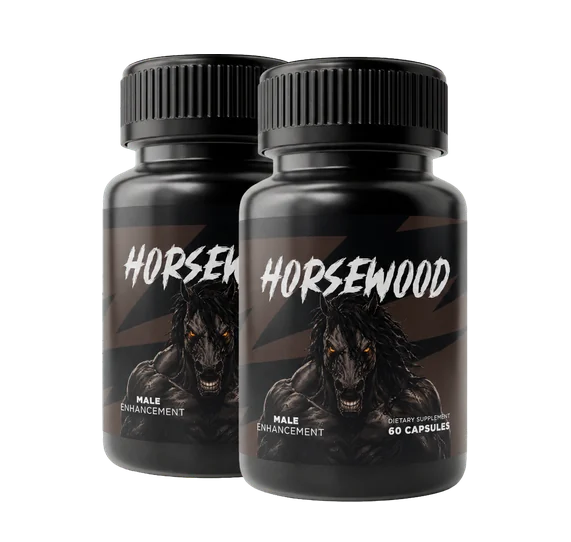
Check Horsewood's transparent panel, package pricing and 60-day money-back guarantee for yourself, then hold any competitor to the same five checks.
Order NowReferences
This article is general information, not medical advice. It compares how to evaluate supplements and does not assert any effect for any finished product. Speak to a qualified healthcare professional before starting any supplement, particularly if you take prescription medication or have a diagnosed condition.